Supplements that actually help
An evidence-based guide to Inositol (40:1), Berberine, Vitamin D3/K2, Magnesium Glycinate, NAC, and Omega-3s with clinical dosages.
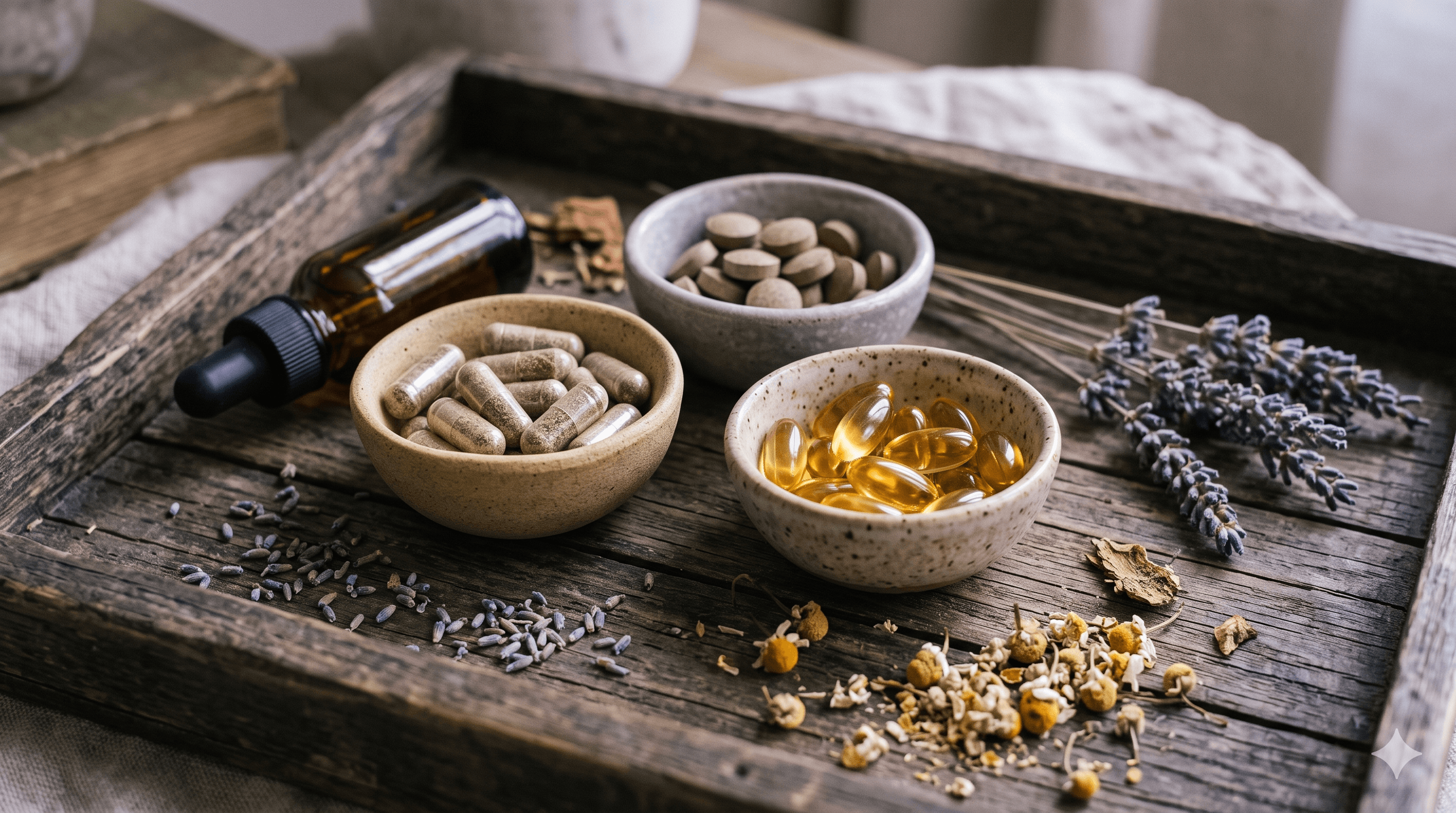
At a Glance: Quick Summary & Key Takeaways
The dietary supplement market is flooded with marketing hype. This guide reviews the top evidence-backed nutraceuticals validated in randomized controlled trials for insulin sensitization, androgen suppression, and ovulatory restoration.
- Myo-Inositol combined with D-Chiro-Inositol in the physiological 40:1 ratio is the most validated natural supplement for PMOS.
- Berberine (500mg 2–3x daily) activates AMP-activated protein kinase (AMPK), performing comparably to Metformin in clinical trials for metabolic parameters.
- Vitamin D deficiency (<30 ng/mL) is present in up to 85% of women with ovulatory dysfunction; supplementing with D3 + K2 restores follicular responsiveness.
- N-Acetyl Cysteine (NAC) replenishes cellular glutathione, lowers homocysteine, and improves ovulation rates in clomiphene-resistant individuals.
1. The Gold Standard: Inositol (40:1 Ratio)
Inositols are vitamin-like sugar alcohols that act as secondary intracellular messengers for insulin and FSH signaling.
Inside healthy ovaries, Myo-Inositol (MI) facilitates FSH signaling and follicular development, while D-Chiro-Inositol (DCI) mediates insulin-dependent glycogen synthesis.
In the human body, the normal physiological ratio of MI to DCI in follicular fluid is exactly 40:1. In women with PMOS, an epimerase enzyme defect skews this ratio. Supplementing with 2,000 mg of Myo-Inositol + 50 mg of D-Chiro-Inositol twice daily restores insulin receptor sensitivity, reduces serum free testosterone, and reinstates spontaneous ovulation in up to 65% of anovulatory women.
2. Metabolic Powerhouses: Berberine & Magnesium
Berberine is a plant alkaloid extracted from Berberis aristata. It stimulates AMPK—the master metabolic regulator of cells—increasing GLUT4 expression, lowering LDL cholesterol, and improving insulin sensitivity with efficacy comparable to Metformin in multiple head-to-head clinical trials.
Magnesium Glycinate (300–400 mg elemental): Magnesium is an essential cofactor for tyrosine kinase phosphorylation on the insulin receptor. Deficiency accelerates insulin resistance and sympathetic nervous system excitability. The glycinate form crosses the blood-brain barrier to promote restful sleep.
Clinical Supplement Matrix
• Myo/D-Chiro Inositol (40:1): 2,000mg + 50mg twice daily • Berberine HCl: 500mg 2x daily with meals (cycle 8-12 weeks) • Vitamin D3 + K2: 2,000–5,000 IU daily (target serum 50–70 ng/mL) • Magnesium Glycinate: 350mg taken 45 minutes before sleep • Omega-3 Fish Oil: 1,500–2,000mg combined EPA + DHA daily
Clinical Protocol: Recommended vs. What to Avoid
- Give nutraceutical interventions at least 12 weeks of consistent daily usage before evaluating efficacy.
- Choose third-party certified brands (USP, NSF, Informed-Choice) to avoid heavy metal contamination.
- Consult your prescribing physician if combining Berberine with prescription Metformin to prevent hypoglycemia.
- Don't take high doses of pure D-Chiro-Inositol alone; excessive DCI has been shown to impair oocyte quality.
- Don't start 6 new supplements simultaneously; introduce them one by one to monitor tolerance.
When to Consult a Physician or Specialist
While lifestyle and nutritional adjustments are powerful, seek immediate professional medical attention if:
- You are taking prescription medications (e.g., Metformin, Levothyroxine, Blood thinners) and need an interaction review.
- You experience persistent gastrointestinal cramping with Berberine.
Frequently Asked Questions
For many women, yes. Clinical meta-analyses indicate that 40:1 inositol achieves comparable improvements in insulin sensitivity, menstrual regularity, and androgen reduction with significantly fewer gastrointestinal side effects. However, any medication change should be managed with your doctor.
Scientific References & Clinical Guidelines
- Unfer, V., et al. (2012). Effects of myo-inositol in women with PCOS: a systematic review of randomized controlled trials. Gynecological Endocrinology, 28(7), 509-515.
- Wei, W., et al. (2012). A clinical study on the short-term effect of berberine in comparison to metformin on the metabolic characteristics of women with polycystic ovary syndrome. European Journal of Endocrinology, 166(1), 99-105.
Need direct guidance for your cycle & symptoms?
Our multidisciplinary clinical care team of reproductive endocrinologists, gynecologists, and clinical dietitians builds a tailored metabolic protocol just for you.
Related Evidence-Based Articles
Best Foods for Hormone Balance
Eat right to balance your hormones and improve symptoms naturally.
Insulin Resistance in PMOS
How insulin affects your PMOS hormones and what you can do about it.
Anti-inflammatory foods to try
Simple additions to your plate that may help calm inflammation.

What is PMOS? Everything you should know
Understand PMOS, its symptoms, causes and biological drivers.