Best Foods for Hormone Balance
A clinical guide to macronutrient ratios, anti-inflammatory micronutrients, seed cycling, and gut-protective whole foods.
At a Glance: Quick Summary & Key Takeaways
Nutritional therapy is the foundational first-line intervention for metabolic ovarian conditions. Learn how specific macro and micronutrient combinations stabilize blood sugar, enhance liver clearance of hormones, and reduce systemic inflammation.
- Aim for 25–35 grams of bioavailable protein per meal to trigger peptide YY and GLP-1 satiety signals while stabilizing blood glucose.
- Cruciferous vegetables provide Indole-3-Carbinol (I3C) and Diindolylmethane (DIM) to support phase-1 and phase-2 hepatic estrogen clearance.
- Omega-3 fatty acids (EPA/DHA) from wild-caught cold-water fish significantly reduce serum hs-CRP and free testosterone.
- Flaxseeds and pumpkin seeds provide lignans and zinc that naturally moderate 5-alpha reductase enzyme activity.
The Clinical 'Hormone Plate' Architecture
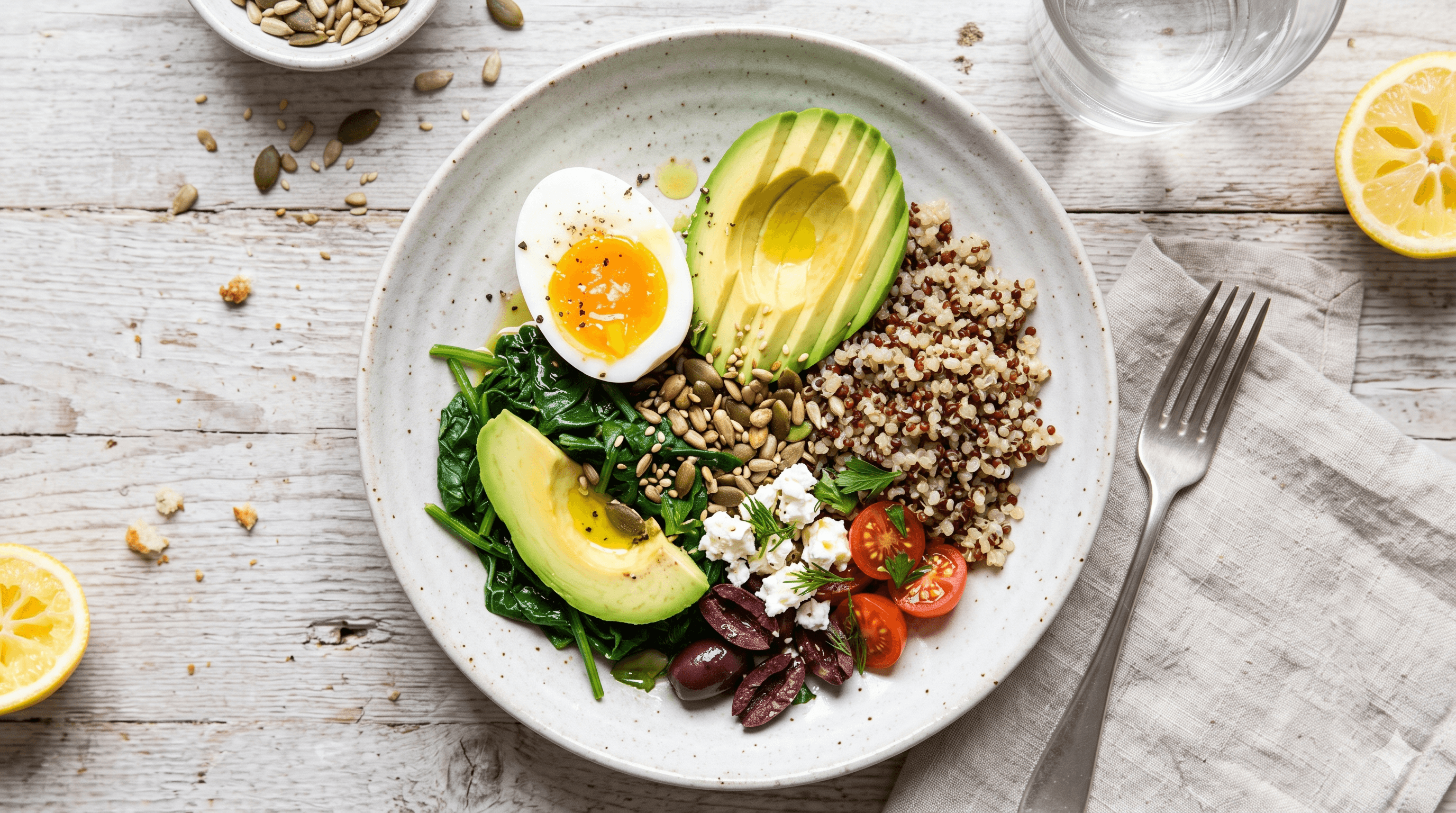
Forget restrictive calorie counting. The most sustainable way to optimize metabolic hormones is building your meals around glycemic and inflammatory stabilization.
• 1/2 Plate Non-Starchy Vegetables & Leafy Greens: Spinach, arugula, broccoli, asparagus, bell peppers, zucchini. Delivers prebiotic fiber, polyphenols, and micronutrients.
• 1/4 Plate High-Quality Protein: Wild salmon, pasture-raised eggs, organic chicken breast, grass-fed beef, tempeh, lentils. Protein provides amino acids for liver detoxification enzymes and slows gastric transit.
• 1/4 Plate Slow-Burning Complex Carbs: Quinoa, black beans, chickpeas, baked sweet potatoes, berries, steel-cut oats. Provides steady cellular energy without sharp insulin spikes.
• 1–2 Tablespoons Healthy Fats: Extra virgin olive oil, avocado, chia seeds, walnuts, pumpkin seeds. Essential for steroid hormone synthesis.
Functional Superfoods for PMOS
Cruciferous Vegetables (Broccoli, Brussels Sprouts, Cabbage)
Rich in sulforaphane and indole-3-carbinol, which upregulate cytochrome P450 enzymes in the liver, directing estrogen down the protective 2-hydroxyestrone metabolic pathway.
Freshly Ground Flaxseeds
Contain dietary lignans that bind estrogen receptors mildly, while stimulating hepatic SHBG production to mop up excess free testosterone.
Wild Cold-Water Fish (Salmon, Mackerel, Sardines)
Packed with eicosapentaenoic acid (EPA) and docosahexaenoic acid (DHA) that down-regulate NF-κB inflammatory signaling in ovarian theca cells.
Ceylon Cinnamon
Contains methylhydroxychalcone polymer, which functions as an insulin mimetic, enhancing cellular glucose uptake in human trials.
Clinical Protocol: Recommended vs. What to Avoid
- Consume 30g of protein within 90 minutes of waking to stabilize your daily cortisol-insulin curve.
- Incorporate freshly ground flaxseeds (1–2 tablespoons daily) into smoothies or oatmeal.
- Use high-phenolic Extra Virgin Olive Oil generously as your primary culinary fat.
- Don't drink coffee on an empty stomach; pair it with or consume it after a protein-rich meal.
- Don't consume ultra-processed 'sugar-free' products loaded with sucralose, which can disrupt the gut microbiome.
When to Consult a Physician or Specialist
While lifestyle and nutritional adjustments are powerful, seek immediate professional medical attention if:
- You struggle with persistent digestive intolerance (bloating, pain) when increasing dietary fiber.
- You require a structured clinical meal plan tailored to concurrent conditions like Hashimoto's or IBS.
Frequently Asked Questions
It depends on the individual. Conventional commercial dairy contains natural bovine hormones and IGF-1 (Insulin-like Growth Factor 1), which can stimulate sebaceous acne and ovarian androgens in sensitive women. However, organic, fermented full-fat dairy (such as kefir or Greek yogurt) is often well-tolerated and supports gut health.
Scientific References & Clinical Guidelines
- Nowak, D. A., et al. (2007). The effect of flaxseed supplementation on hormonal levels associated with polycystic ovarian syndrome: a case study. Current Topics in Nutraceutical Research, 5(4), 177.
- Salas-Huetos, A., et al. (2018). The effect of nutrients and dietary supplements on sperm and oocyte quality. Human Reproduction Update.
Need direct guidance for your cycle & symptoms?
Our multidisciplinary clinical care team of reproductive endocrinologists, gynecologists, and clinical dietitians builds a tailored metabolic protocol just for you.
Related Evidence-Based Articles
Low-GI meal ideas for every day
Easy breakfast, lunch and dinner ideas that keep blood sugar steady.
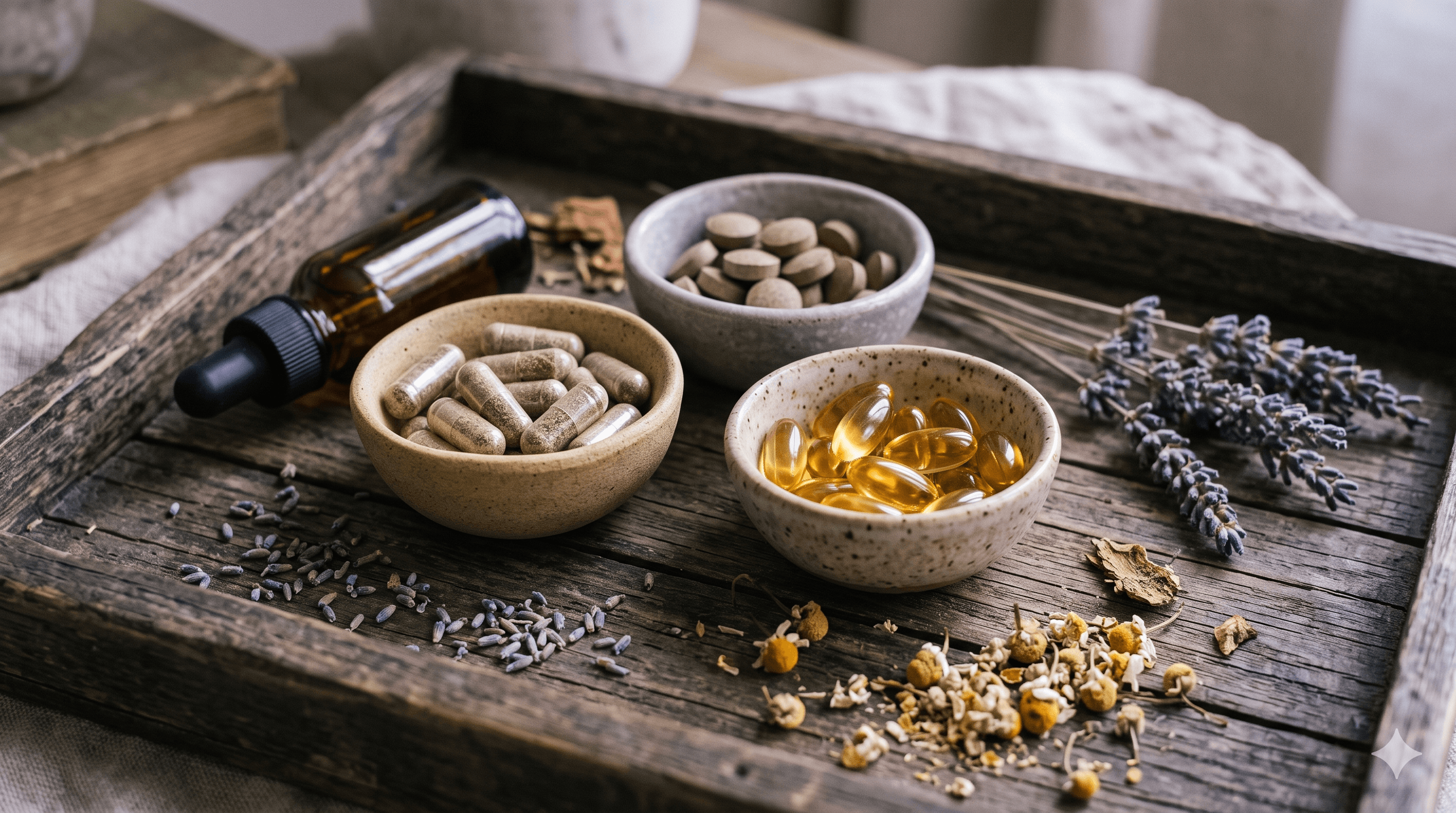
Supplements that actually help
Inositol, vitamin D and more: what the research really says.
Anti-inflammatory foods to try
Simple additions to your plate that may help calm inflammation.
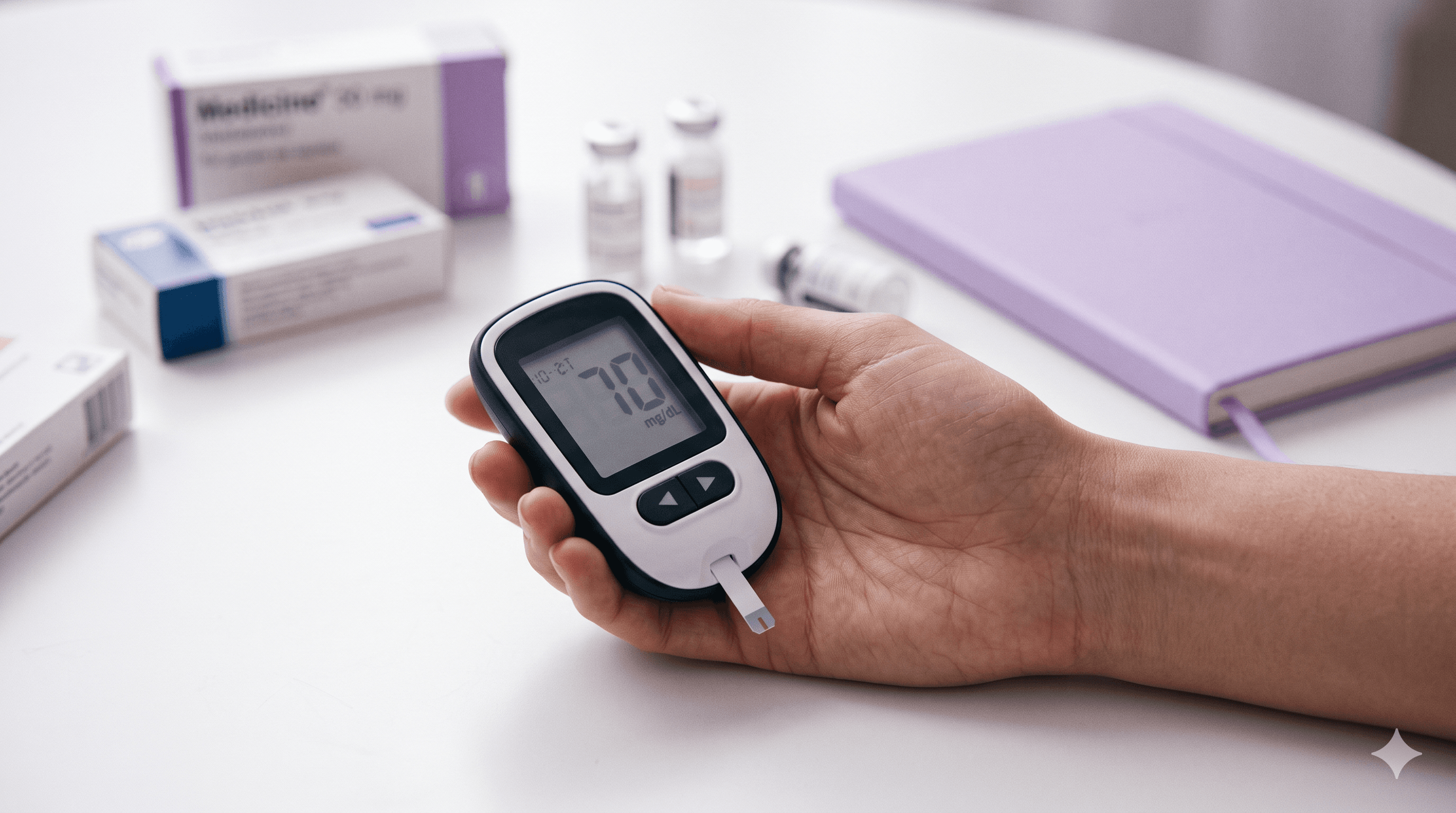
Insulin Resistance in PMOS
How insulin affects your PMOS hormones and what you can do about it.