Insulin Resistance in PMOS
The cellular mechanics of post-receptor defect, compensatory hyperinsulinemia, ovarian androgen stimulation, and therapeutic reversal in PMOS.
At a Glance: Quick Summary & Key Takeaways
Insulin resistance is the central pathophysiological engine of metabolic ovarian syndrome. Discover how a defect in post-receptor phosphorylation creates compensatory hyperinsulinemia that directly dysregulates ovarian steroidogenesis.
- Insulin resistance in PMOS involves an intrinsic post-receptor signaling defect: serine phosphorylation of the insulin receptor substrate-1 (IRS-1).
- Ovarian theca cells remain uniquely sensitive to insulin even when muscle and adipose tissues become resistant—a phenomenon known as 'selective insulin resistance'.
- Hyperinsulinemia directly increases ovarian CYP17A1 enzyme activity, accelerating testosterone synthesis.
- First-line natural and pharmaceutical sensitizers include Inositol (40:1 ratio), Metformin, Berberine, and progressive skeletal muscle resistance training.
The Molecular Defect: What Actually Happens at the Cellular Level
Insulin resistance is not simply eating too much sugar. In women with PMOS, it is driven by a distinct genetic and biochemical aberration in how cells transmit insulin's signal.
Under healthy conditions, when insulin docks onto its cell surface receptor on muscle and liver cells, it triggers tyrosine phosphorylation of Insulin Receptor Substrate-1 (IRS-1). This acts as a molecular key, signaling GLUT4 glucose transporter vesicles to migrate to the cell membrane and absorb glucose from the blood.
In PMOS, abnormal serine phosphorylation replaces tyrosine phosphorylation, inactivating the receptor pathway prematurely. Glucose cannot enter the cells efficiently. In response, the beta-cells of the pancreas work overtime, pumping out 2x to 5x more insulin to force glucose into cells.
The Paradox: Why the Ovaries Never Become Resistant
You might wonder: if cells are resistant to insulin, why does high insulin harm the ovaries? This is the paradox of 'selective insulin resistance'.
While your skeletal muscle and fat cells become desensitized to insulin's metabolic signals, your ovarian theca cells remain completely sensitive to insulin's growth-promoting and steroidogenic signals. When the pancreas floods the bloodstream with compensatory insulin, the ovaries are exposed to a massive hormonal overdrive, causing them to churn out excess testosterone.
The Liver Connection: Why SHBG Crashes
Excess portal insulin suppresses the liver's production of Sex Hormone-Binding Globulin (SHBG). Normally, SHBG binds up to 98% of circulating testosterone, rendering it biologically inactive. When insulin suppresses SHBG, free, active testosterone levels spike dramatically.
Evidence-Based Protocols to Re-Sensitize Cells
Reversing hyperinsulinemia requires a multi-modal strategy:
• Skeletal Muscle Contraction: Lifting weights activates GLUT4 translocation independently of insulin through the AMPK pathway. • Myo-Inositol & D-Chiro-Inositol: Inositols serve as secondary messengers for the insulin receptor. Supplementing in the physiological 40:1 ratio restores intracellular signaling. • Low-Glycemic Fiber Architecture: Combining carbohydrates with fiber, fat, and protein delays glucose absorption and blunts the insulin surge.
Clinical Protocol: Recommended vs. What to Avoid
- Calculate your HOMA-IR score using: (Fasting Glucose mg/dL × Fasting Insulin µIU/mL) / 405. An optimal score is <1.5; >2.0 indicates resistance.
- Incorporate strength training at least 2–3 times weekly to expand your body's glucose disposal capacity.
- Take a 10–15 minute walk after meals to utilize blood glucose before excessive insulin is secreted.
- Don't rely solely on HbA1c; it often remains completely normal for years during early to moderate hyperinsulinemia.
- Don't consume sugary beverages or liquid carbs on an empty stomach.
When to Consult a Physician or Specialist
While lifestyle and nutritional adjustments are powerful, seek immediate professional medical attention if:
- Your fasting insulin exceeds 10 µIU/mL.
- You notice progressive darkening and thickening of skin on your neck or armpits (Acanthosis Nigricans).
- You experience severe shakiness, anxiety, or cold sweats when meals are delayed.
Frequently Asked Questions
While standard commercial laboratory reference ranges often state that fasting insulin up to 24 µIU/mL is 'normal', optimal functional and metabolic endocrinology guidelines recommend a fasting insulin level between 3 and 7 µIU/mL.
Scientific References & Clinical Guidelines
- Dunaif, A., et al. (1989). Profound peripheral insulin resistance, independent of obesity, in polycystic ovary syndrome. Diabetes, 38(9), 1165-1174.
- Unfer, V., et al. (2017). Myo-inositol effects in women with PCOS: a meta-analysis of randomized controlled trials. Endocrine Connections, 6(8), 647-658.
Need direct guidance for your cycle & symptoms?
Our multidisciplinary clinical care team of reproductive endocrinologists, gynecologists, and clinical dietitians builds a tailored metabolic protocol just for you.
Related Evidence-Based Articles

What is PMOS? Everything you should know
Understand PMOS, its symptoms, causes and biological drivers.
Hormones 101: The key players
Estrogen, progesterone, insulin and androgens, and how they work together.

Androgens explained simply
Why high androgen levels cause acne, hair changes and cycle issues.
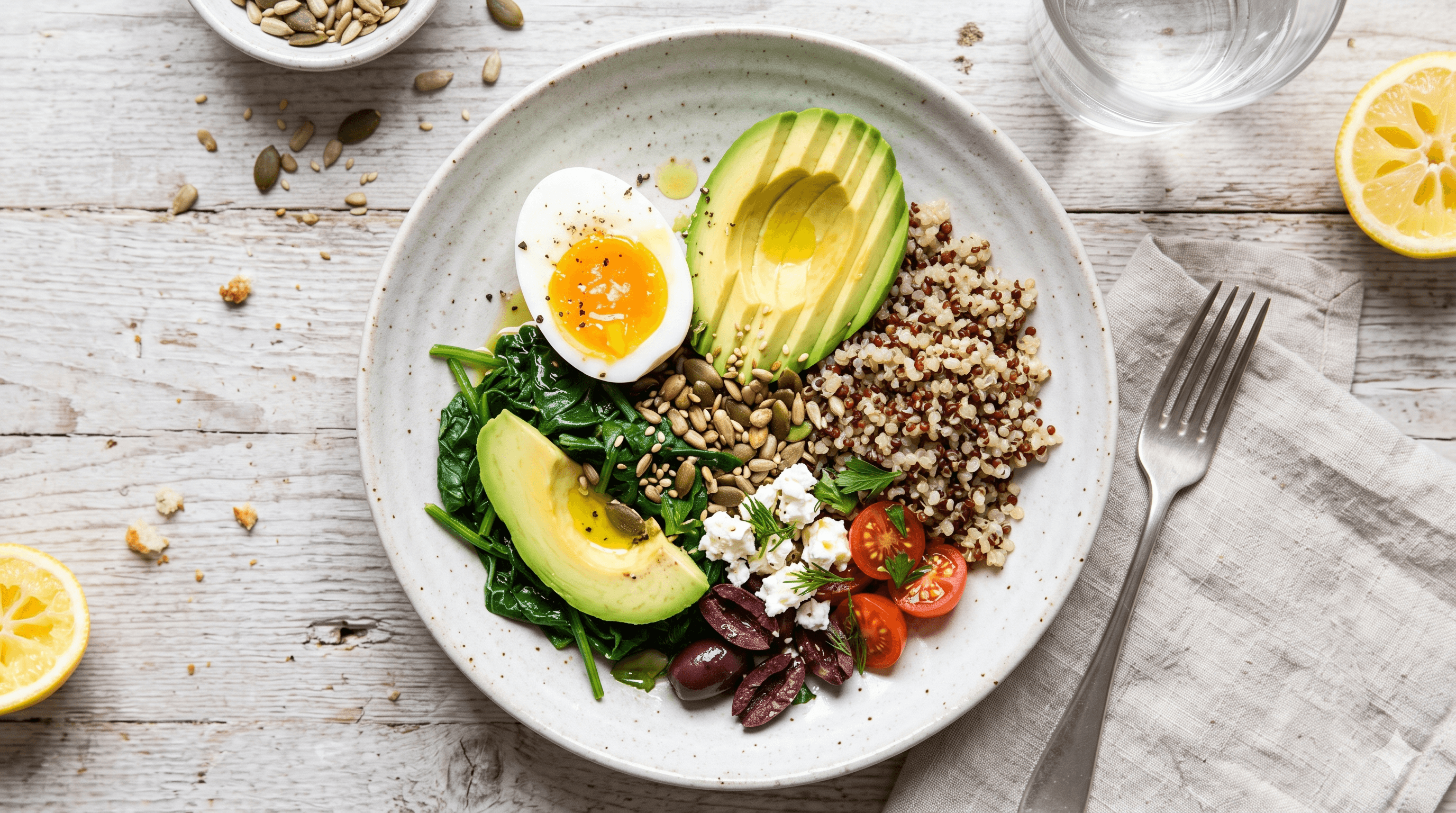
Best Foods for Hormone Balance
Eat right to balance your hormones and improve symptoms naturally.