What is PMOS? Everything you should know
A clinical breakdown of Polycystic Metabolic Ovarian Syndrome, its metabolic origins, clinical phenotypes, and how modern endocrinology views it.

At a Glance: Quick Summary & Key Takeaways
Polycystic Metabolic Ovarian Syndrome (PMOS) describes a metabolic-predominant endocrine profile characterized by insulin resistance, altered luteinizing hormone (LH) pulsatility, ovarian follicular arrest, and persistent low-grade inflammation.
- PMOS is fundamentally a metabolic and neuroendocrine disorder, not solely an ovarian or gynecological condition.
- The term 'cysts' is a historical misnomer; ultrasound findings reflect immature antral follicles halted in development by high insulin and androgens.
- Up to 75% of women with PMOS exhibit underlying hyperinsulinemia, irrespective of whether their BMI falls within normal or elevated ranges.
- Addressing cellular insulin sensitivity and circadian hormone balance is the cornerstone of long-term sustainable symptom resolution.
What Exactly is PMOS?
To understand PMOS, we must look beyond the ovaries. It is an intricate neuro-endocrine and metabolic condition that alters how your body processes energy and regulates reproductive signals.
In clinical practice, PMOS (Polycystic Metabolic Ovarian Syndrome) identifies the widespread sub-phenotype where metabolic dysfunction—specifically compensatory hyperinsulinemia—drives ovarian steroidogenesis dysfunction. When cells in the liver, skeletal muscle, and adipose tissue become resistant to insulin's signals, the pancreas compensates by secreting higher volumes of insulin into circulation.
This elevated circulating insulin acts synergistically with luteinizing hormone (LH) directly on the theca cells of the ovary. Instead of smoothly converting cholesterol into progesterone and estrogen, these cells are stimulated to overproduce androgens such as testosterone and androstenedione.
The Insulin-Androgen Cross-Talk
Excess insulin directly stimulates ovarian theca cell proliferation and upregulates CYP17A1 enzymatic activity, while simultaneously downregulating hepatic Sex Hormone-Binding Globulin (SHBG) synthesis, leaving more testosterone free and bioavailable in the bloodstream.
The Three Biological Hallmarks of PMOS
Modern reproductive endocrinology recognizes that PMOS presents along a spectrum. However, three foundational physiological drivers consistently underpin the condition:
1. Impaired Glucose Disposal & Hyperinsulinemia
Postprandial glucose uptake into skeletal muscle via GLUT4 transporters is blunted, forcing the pancreas to flood the bloodstream with insulin to maintain normoglycemia.
2. Neuroendocrine Axis Dysregulation
Increased GnRH pulse frequency from the hypothalamus promotes excessive pituitary LH release relative to FSH, shifting the LH:FSH ratio above 2:1 or 3:1.
3. Follicular Maturation Arrest
Without sufficient FSH stimulus and in an androgen-rich microenvironment, developing ovarian follicles fail to reach dominance and arrest at 2–9 mm in size, creating the classic multi-follicular ring on transvaginal ultrasound.
How PMOS Manifests Across the Body
Because insulin and sex steroids interact with tissues throughout the entire body, symptoms extend far beyond the menstrual cycle. Patients frequently experience a constellation of seemingly unrelated complaints that share a common metabolic origin.
Common presentations include irregular or absent menses (oligomenorrhea/amenorrhea), deep cystic acne clustered along the lower jawline, progressive scalp hair thinning (androgenic alopecia), velvety skin hyperpigmentation in intertriginous folds (acanthosis nigricans), and refractory abdominal weight gain.
Clinical Protocol: Recommended vs. What to Avoid
- Prioritize protein and dietary fiber at every meal to flatten postprandial glucose curves.
- Request a comprehensive metabolic panel including fasting insulin and HOMA-IR, not merely fasting glucose.
- Engage in progressive resistance training to stimulate muscle glucose uptake independent of insulin.
- Maintain consistent sleep-wake cycles to stabilize adrenal cortisol and insulin sensitivity.
- Don't rely solely on oral contraceptive pills as a permanent cure; they manage surface symptoms without treating the metabolic root.
- Don't adopt crash starvation diets, which elevate systemic cortisol and worsen neuroendocrine anovulation.
- Don't ignore prolonged amenorrhea (periods absent >90 days), which requires medical evaluation to safeguard endometrial health.
When to Consult a Physician or Specialist
While lifestyle and nutritional adjustments are powerful, seek immediate professional medical attention if:
- Your menstrual cycle consistently exceeds 35 days or you experience fewer than 8 cycles per year.
- You have gone 90 consecutive days without a period and are not pregnant.
- You experience sudden onset of severe hirsutism (coarse facial hair) or rapid male-pattern hair loss.
- You experience episodes of extreme post-meal dizziness, tremors, or reactive hypoglycemia.
Frequently Asked Questions
No. The fluid-filled sacs seen on ultrasound are not tumors or true cysts. They are normal, immature antral follicles (each containing an egg) that simply paused development mid-way through the cycle due to hormonal imbalance.
Scientific References & Clinical Guidelines
- Rotterdam ESHRE/ASRM-Sponsored Consensus Workshop Group. (2004). Revised 2003 consensus on diagnostic criteria and long-term health risks related to ovarian syndrome. Fertility and Sterility, 81(1), 19-25.
- Teede, H. J., et al. (2023). Recommendations from the International Evidence-based Guideline for the Assessment and Management of Metabolic Ovarian Syndrome. Human Reproduction, 38(9), 1655-1679.
- Dunaif, A. (1997). Insulin resistance and metabolic ovarian syndrome: mechanism and implications for pathogenesis. Endocrine Reviews, 18(6), 774-800.
Need direct guidance for your cycle & symptoms?
Our multidisciplinary clinical care team of reproductive endocrinologists, gynecologists, and clinical dietitians builds a tailored metabolic protocol just for you.
Related Evidence-Based Articles

PMOS Phenotypes: Understanding Your Type
A simple look at PMOS phenotypes, their drivers and what they mean for you.
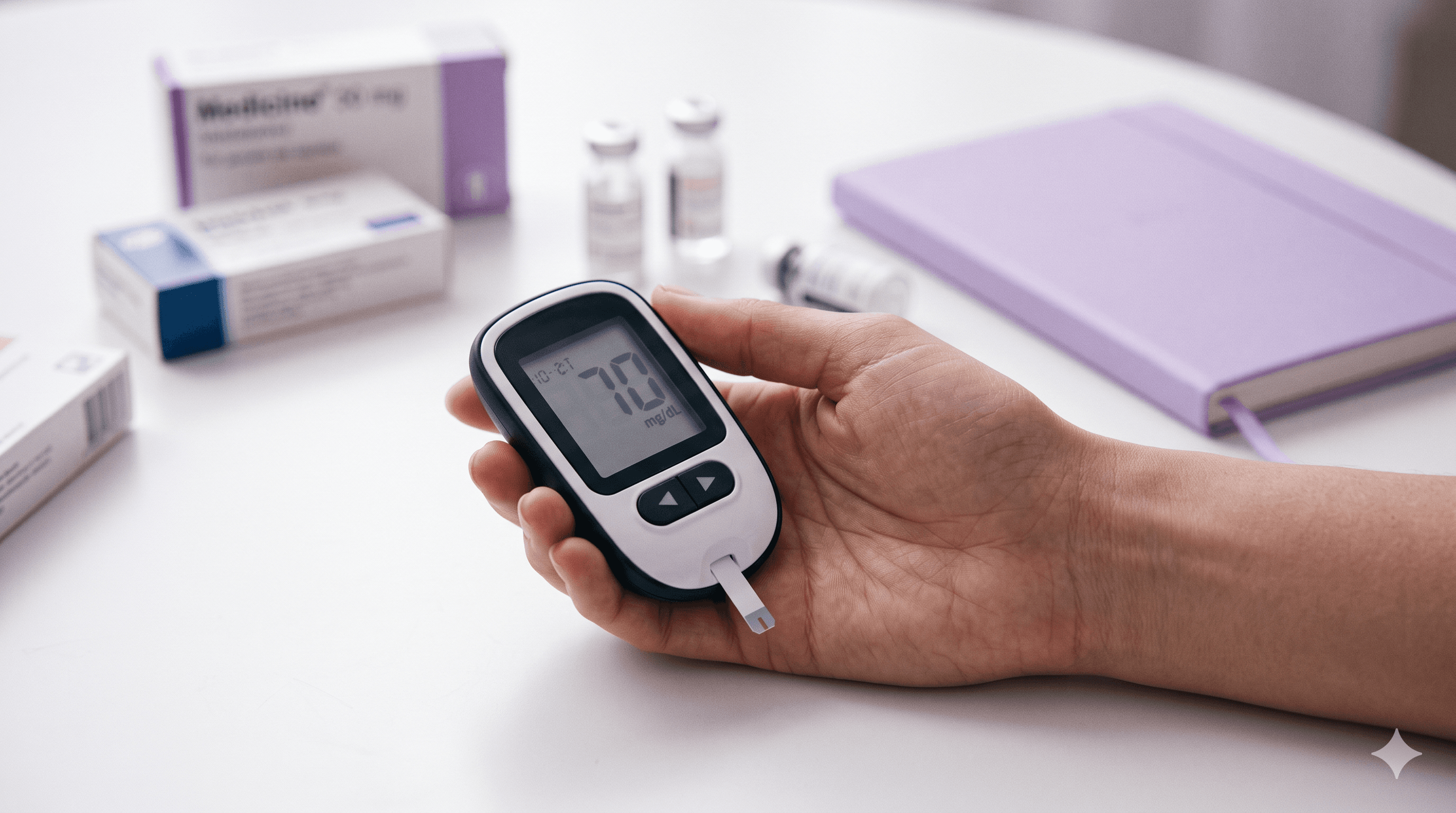
Insulin Resistance in PMOS
How insulin affects your PMOS hormones and what you can do about it.

How PMOS is diagnosed
The tests, scans and questions doctors use to confirm a diagnosis.
Early signs of PMOS you shouldn’t ignore
Irregular periods, acne and fatigue: the symptoms that often show up first.