Anti-inflammatory foods to try
Combating chronic low-grade systemic inflammation (hs-CRP, TNF-alpha) through culinary medicine, polyphenols, and phytonutrients.
At a Glance: Quick Summary & Key Takeaways
Chronic low-grade inflammation is now recognized as a primary driver of ovarian steroidogenic dysfunction. Discover how culinary polyphenols, spices, and anti-inflammatory fats turn off inflammatory gene expression.
- Women with PMOS exhibit elevated high-sensitivity C-reactive protein (hs-CRP), interleukin-6 (IL-6), and TNF-alpha independent of body weight.
- Inflammatory cytokines directly stimulate ovarian theca cells to produce androgens and impair insulin receptor phosphorylation.
- Top culinary anti-inflammatories: Curcumin (turmeric), Gingerol (ginger), EGCG (green tea), and Oleocanthal (extra virgin olive oil).
- Eliminating oxidized industrial seed oils (corn, soybean, canola) dramatically reduces systemic oxidative stress.
How Chronic Inflammation Disrupts Ovulation
Inflammation is a healthy acute response to injury or infection. But when it becomes chronic and subclinical, it damages metabolic and reproductive tissues.
In PMOS, visceral adipocytes, intestinal endotoxins, and oxidative stress combine to activate the master inflammatory transcription factor NF-κB.
NF-κB increases circulating TNF-alpha, which acts directly on the ovaries to stimulate steroidogenic enzymes (such as CYP17A1), driving up testosterone production while simultaneously interfering with insulin receptor signaling in skeletal muscle.
The Top 4 Anti-Inflammatory Kitchen Staples
1. Fresh Turmeric & Curcumin (with Black Pepper)
Curcumin inhibits the NF-κB pathway. Always pair with black pepper (piperine), which boosts curcumin's bioavailability by up to 2,000%.
2. Extra Virgin Olive Oil (EVOO)
Contains oleocanthal, a natural polyphenol that inhibits COX-1 and COX-2 inflammatory enzymes in a manner remarkably similar to ibuprofen.
3. Japanese Matcha / Green Tea (EGCG)
Rich in epigallocatechin gallate (EGCG), a potent antioxidant that reduces oxidative stress in ovarian follicles and improves fasting insulin.
4. Dark Deeply-Colored Berries
Wild blueberries, blackberries, and raspberries provide anthocyanins that protect vascular endothelia and support healthy gut microbiota.
Clinical Protocol: Recommended vs. What to Avoid
- Cook with fresh culinary herbs and spices daily: garlic, ginger, rosemary, thyme, oregano.
- Drink 1–2 cups of organic green tea or matcha in the morning.
- Test your high-sensitivity C-Reactive Protein (hs-CRP); aim for a healthy level under 1.0 mg/L.
- Don't fry foods repeatedly in reused vegetable oils, which creates inflammatory lipid peroxides.
- Don't consume artificial trans fats or heavily hydrogenated fats.
When to Consult a Physician or Specialist
While lifestyle and nutritional adjustments are powerful, seek immediate professional medical attention if:
- Your hs-CRP is elevated (>3.0 mg/L) without an acute infection, requiring cardiovascular risk evaluation.
Frequently Asked Questions
Not necessarily. While some women with PMOS who have concurrent autoimmune conditions (like Hashimoto's thyroiditis) or gut hyperpermeability feel significantly better avoiding gluten, an anti-inflammatory diet primarily emphasizes whole, unrefined, polyphenol-rich foods rather than packaged 'gluten-free' processed snacks.
Scientific References & Clinical Guidelines
- González, F. (2012). Inflammation in polycystic ovary syndrome: underpinning of insulin resistance and ovarian dysfunction. Steroids, 77(4), 300-305.
Need direct guidance for your cycle & symptoms?
Our multidisciplinary clinical care team of reproductive endocrinologists, gynecologists, and clinical dietitians builds a tailored metabolic protocol just for you.
Related Evidence-Based Articles
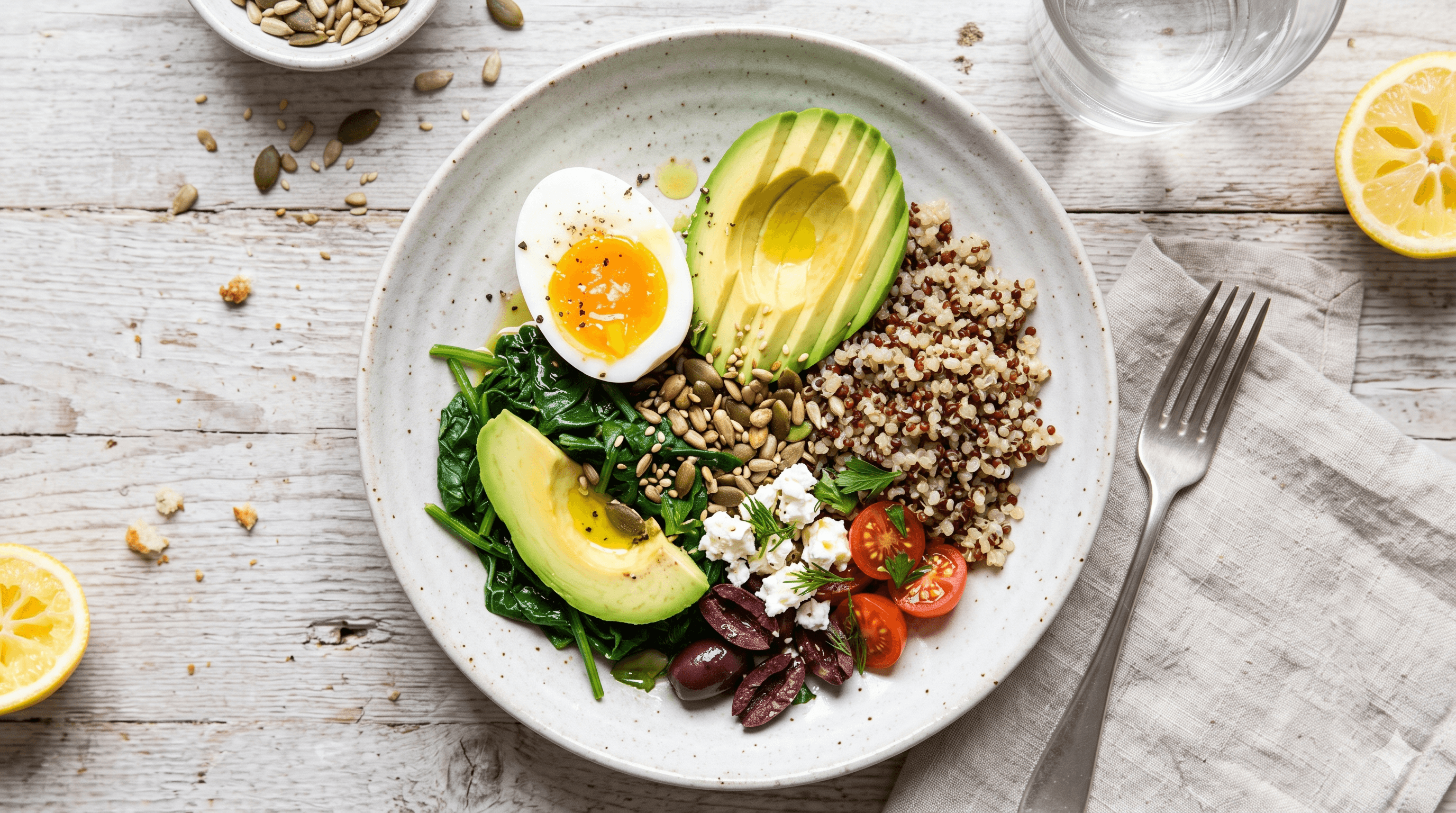
Best Foods for Hormone Balance
Eat right to balance your hormones and improve symptoms naturally.
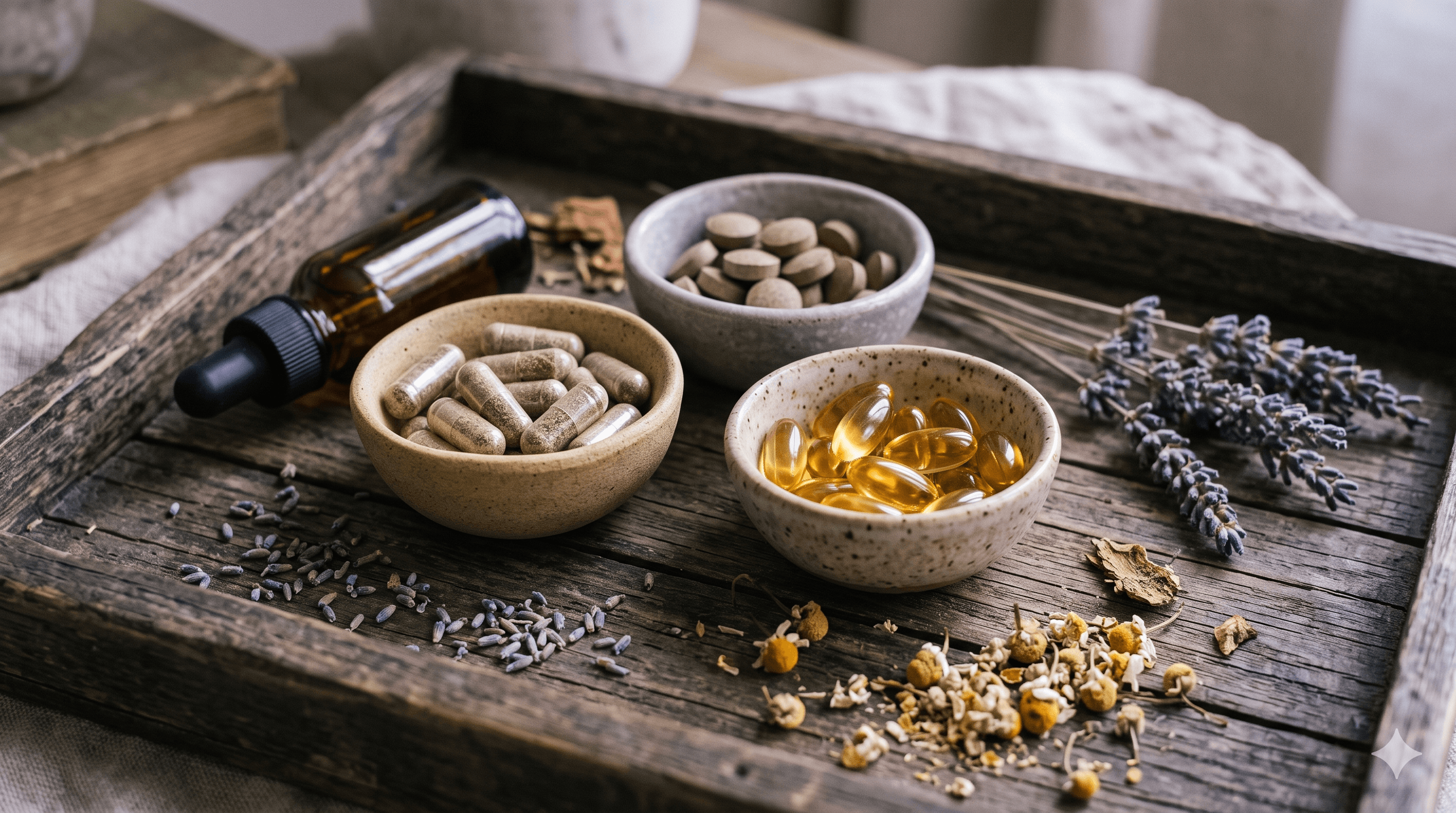
Supplements that actually help
Inositol, vitamin D and more: what the research really says.
Low-GI meal ideas for every day
Easy breakfast, lunch and dinner ideas that keep blood sugar steady.

Fatigue & bloating in PMOS
What causes constant tiredness and bloating, and small ways to ease both.