Walking for hormone health
Why low-intensity steady-state movement (Zone 1/2) is the ultimate hormonal stabilizer, blunts glucose spikes, and protects adrenal reserve.

At a Glance: Quick Summary & Key Takeaways
Walking is often dismissed because it feels too simple. Yet for metabolic ovarian health, daily walking outperforms intense workouts by clearing glucose without spiking cortisol.
- Zone 1 and Zone 2 walking uses free fatty acids and blood glucose as fuel without triggering sympathetic adrenaline or cortisol spikes.
- A 10–15 minute walk taken immediately after your largest meal blunts postprandial glucose excursions by up to 30%.
- Targeting 7,500 to 10,000 steps daily significantly improves systemic insulin sensitivity and sleep architecture.
- Walking outdoors in green spaces ('forest bathing' / shinrin-yoku) measurably reduces salivary cortisol and heart rate variability strain.
The Magic of the Post-Meal Stroll
When you consume a meal containing carbohydrates, blood glucose peaks approximately 30 to 60 minutes later. Your muscle cells can intercept this glucose before your pancreas has to flood the body with insulin.
Soleus and quadricep contractions during a gentle walk immediately stimulate non-insulin-mediated glucose clearance.
Multiple continuous glucose monitoring (CGM) studies show that a modest 10-minute walk after eating dramatically flattens the glycemic spike, eliminating the subsequent reactive hypoglycemia crash and brain fog that so many women with PMOS experience.
Clinical Protocol: Recommended vs. What to Avoid
- Aim for a consistent daily baseline: start with 6,000 steps and build toward 8,000–10,000 steps.
- Take a short 10-minute stroll around your neighborhood or office after lunch and dinner.
- Walk outdoors during daylight hours to receive natural light signals through your eyes.
- Don't worry about walking at an intense pace; the key is steady, relaxed movement.
When to Consult a Physician or Specialist
While lifestyle and nutritional adjustments are powerful, seek immediate professional medical attention if:
- You experience severe foot, ankle, or hip pain during normal walking.
Frequently Asked Questions
Absolutely! Slow walking on an under-desk treadmill (1.5–2.0 km/h) while working is one of the most effective ways to break up prolonged sedentary hours and maintain continuous glucose disposal throughout the workday.
Scientific References & Clinical Guidelines
- Reynolds, A. N., et al. (2016). Advice to walk after meals is more effective for lowering postprandial glycaemia in type 2 diabetes mellitus than advice that does not specify timing. Diabetologia, 59(12), 2572-2578.
Need direct guidance for your cycle & symptoms?
Our multidisciplinary clinical care team of reproductive endocrinologists, gynecologists, and clinical dietitians builds a tailored metabolic protocol just for you.
Related Evidence-Based Articles

Strength training for PMOS
Why lifting helps insulin sensitivity and how to start safely.
7 Yoga Poses for PMOS Relief
Simple yoga poses to reduce stress, improve insulin resistance and support PMOS hormonal balance.

Workouts for low-energy days
Light movement ideas for the days when you feel drained.
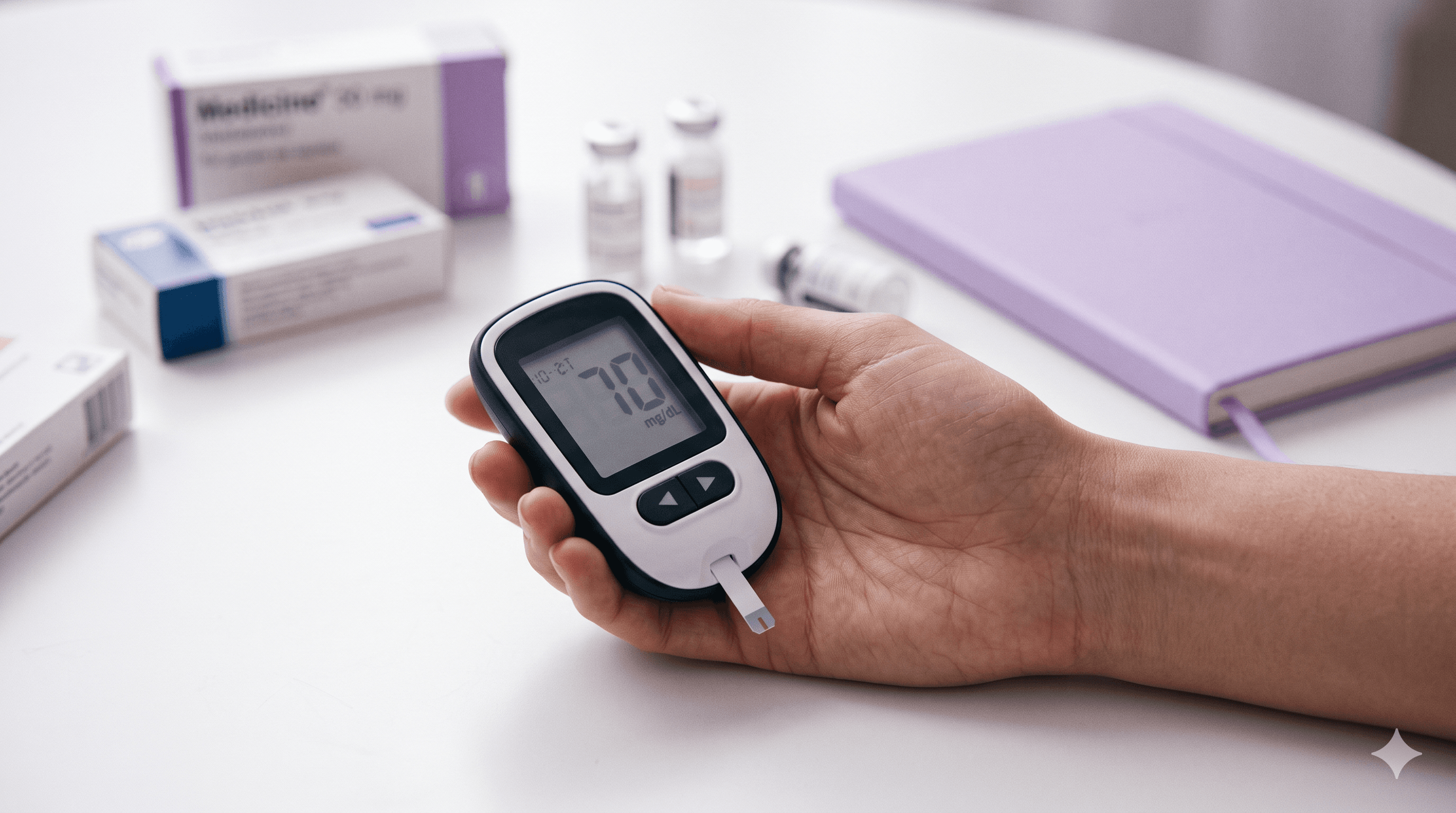
Insulin Resistance in PMOS
How insulin affects your PMOS hormones and what you can do about it.