Workouts for low-energy days
How to listen to biological biofeedback, honor cycle phases, and choose restorative movement that recharges rather than drains you.

At a Glance: Quick Summary & Key Takeaways
Pushing through crushing fatigue with intense exercise often backfires in hormonal disorders by worsening adrenal exhaustion and cycle irregularity. Learn how to adapt movement to your body's energy reserves.
- Exercise is a hormetic stressor: it creates positive adaptations only if your body has sufficient energetic resources to recover.
- During late luteal phases or days with low sleep/high stress, switch to restorative somatic movement, mobility, or Yin yoga.
- Movement on low-energy days should leave you feeling refreshed and energized, never depleted or dizzy.
- Foam rolling and lymphatic stretching reduce muscle tone and encourage fluid mobilization without metabolic strain.
When Exercise Becomes Counterproductive
The fitness culture mantra 'no pain, no gain' is dangerously flawed for women managing endocrine conditions.
When your body is already managing systemic inflammation, poor sleep, or an extended anovulatory phase, your adrenal system is operating on edge.
Forcing yourself through a grueling high-intensity workout adds another massive stress load. Cortisol surges, thyroid conversion (T4 to active T3) is impaired, and your body enters a catabolic preservation state, causing fatigue to deepen.
Clinical Protocol: Recommended vs. What to Avoid
- Ask yourself: 'Will this workout give me energy or take energy away?' Choose accordingly.
- Focus on gentle mobility, foam rolling, and pelvic stretching when energy is at 20%.
- Don't feel guilty for skipping heavy lifting or intense cardio on days your body signals exhaustion.
When to Consult a Physician or Specialist
While lifestyle and nutritional adjustments are powerful, seek immediate professional medical attention if:
- Your fatigue is so severe that gentle 10-minute walks feel impossible for multiple consecutive weeks.
Frequently Asked Questions
Gentle low-intensity movement (like 10 minutes of gentle stretching or light walking) is almost always superior to complete bed rest because it stimulates lymphatic flow, eases pelvic congestion, and releases natural endorphins without taxing your adrenals.
Scientific References & Clinical Guidelines
- Hackney, A. C. (2006). Stress and the neuroendocrine system: the role of exercise as a stressor and modifier of action. Expert Review of Endocrinology & Metabolism, 1(6), 783-792.
Need direct guidance for your cycle & symptoms?
Our multidisciplinary clinical care team of reproductive endocrinologists, gynecologists, and clinical dietitians builds a tailored metabolic protocol just for you.
Related Evidence-Based Articles
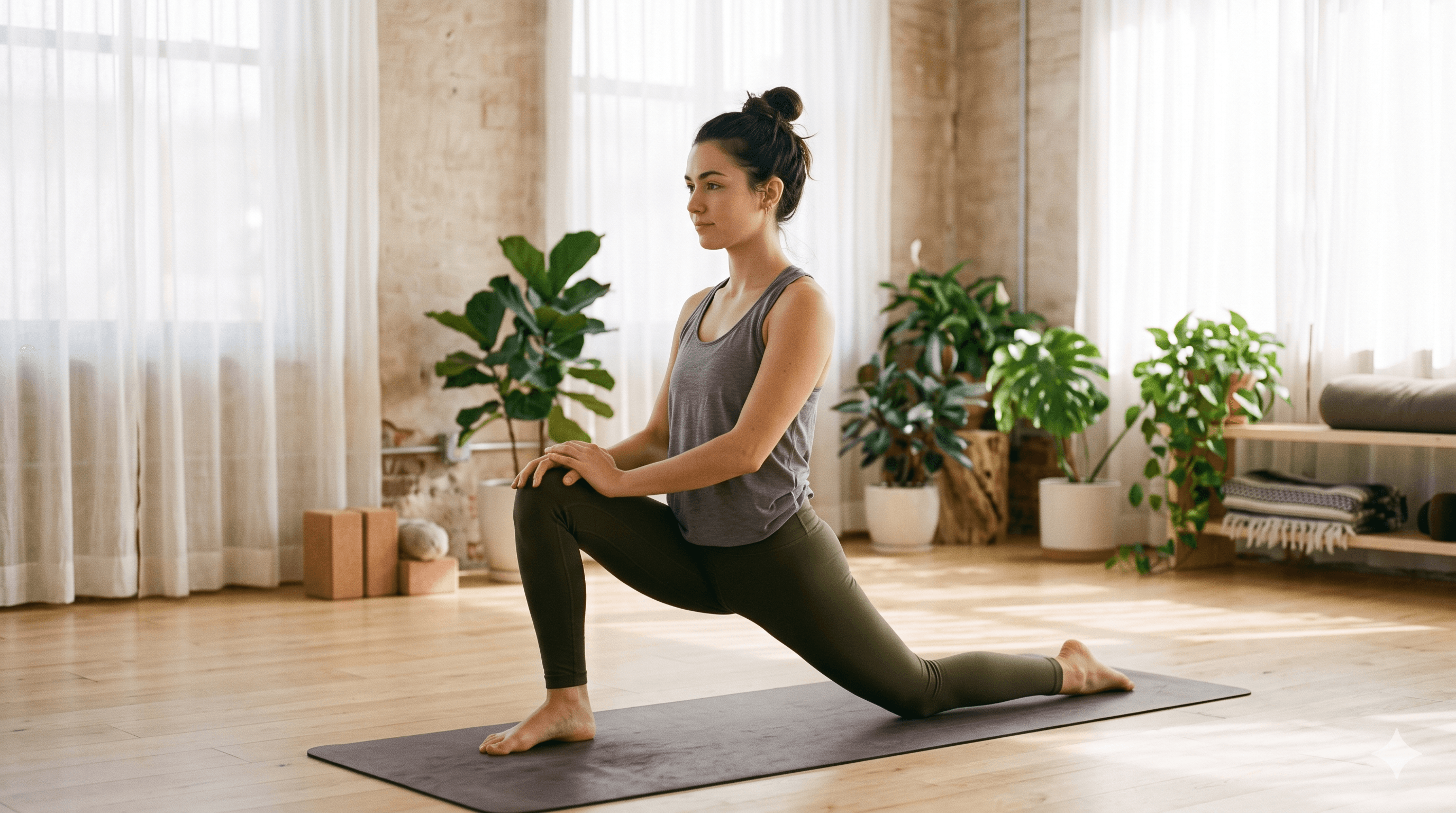
7 Yoga Poses for PMOS Relief
Simple yoga poses to reduce stress, improve insulin resistance and support PMOS hormonal balance.

Walking for hormone health
A gentle daily habit with surprisingly big benefits.
Fatigue & bloating in PMOS
What causes constant tiredness and bloating, and small ways to ease both.
Managing stress with PMOS
How stress impacts your hormones and simple ways to manage it every day.