Strength training for PMOS
How progressive resistance training activates GLUT4 glucose uptake, builds metabolic reserve, and lowers testosterone.

At a Glance: Quick Summary & Key Takeaways
Skeletal muscle is your largest metabolic organ. Discover why progressive resistance training is the single most potent non-pharmacological tool to reverse insulin resistance and optimize hormone balance.
- Skeletal muscle accounts for roughly 80% of postprandial glucose disposal in the human body.
- Muscle contraction stimulates GLUT4 glucose transporter translocation through the AMPK pathway, entirely independent of insulin.
- Building lean muscle mass elevates resting basal metabolic rate, promoting long-term metabolic health.
- Prioritize compound multi-joint movements (squats, Romanian deadlifts, presses, rows) 2 to 3 times per week with adequate rest.
Muscle as Your Metabolic Glucose Sink
When women with PMOS are told to 'just do more cardio', they are often given counterproductive advice. Chronic excessive endurance cardio can elevate systemic cortisol, further stalling ovulation.
Strength training works through an entirely different biochemical mechanism. When you perform resistance exercises, mechanical tension and glycogen depletion activate an intracellular enzyme called AMP-activated protein kinase (AMPK).
AMPK signals GLUT4 glucose transporter vesicles to travel directly to the cell membrane and pull glucose from the bloodstream into the muscle. This happens without needing insulin to unlock the door. By lifting weights, you create a natural bypass around your cellular insulin resistance.
The PMOS Strength Blueprint: How to Train
Frequency & Duration
2 to 3 sessions per week, lasting 40–50 minutes. More is not better; recovery is where metabolic adaptation occurs.
Movement Selection
Focus on compound movements that recruit large muscle groups: Goblet Squats, Romanian Deadlifts (RDLs), Lat Pulldowns, Dumbbell Chest Presses, and Seated Cable Rows.
Intensity & Rep Ranges
Work in the 8 to 12 rep range with weights that feel challenging by the final 2 reps, maintaining 2 reps in reserve (RIR 2) to avoid central nervous system burnout.
Clinical Protocol: Recommended vs. What to Avoid
- Consume 25–30g of protein within 1–2 hours after lifting to support muscle protein synthesis.
- Prioritize proper form and spinal alignment over lifting excessively heavy weights.
- Track your weights and repetitions to ensure progressive overload over weeks and months.
- Don't turn your strength session into high-intensity cardio with zero rest between sets; take 60–90 seconds of rest to allow ATP replenishment.
- Don't lift weights on an empty stomach if you suffer from reactive hypoglycemia.
When to Consult a Physician or Specialist
While lifestyle and nutritional adjustments are powerful, seek immediate professional medical attention if:
- You experience joint pain or severe back strain during compound lifts; consult a physical therapist.
Frequently Asked Questions
No. This is a common myth. While brief, physiological spikes in testosterone occur immediately post-workout in men, progressive resistance training in women with PMOS significantly lowers chronic baseline resting free testosterone by improving insulin sensitivity and elevating liver SHBG.
Scientific References & Clinical Guidelines
- Cheema, B. S., et al. (2014). Progressive resistance training in polycystic ovary syndrome: a systematic review. Sports Medicine, 44(3), 395-407.
- Kogure, G. S., et al. (2016). Resistance exercise impacts on body composition and hormonal profile in women with polycystic ovary syndrome. Human Reproduction, 31(11), 2568-2576.
Need direct guidance for your cycle & symptoms?
Our multidisciplinary clinical care team of reproductive endocrinologists, gynecologists, and clinical dietitians builds a tailored metabolic protocol just for you.
Related Evidence-Based Articles
7 Yoga Poses for PMOS Relief
Simple yoga poses to reduce stress, improve insulin resistance and support PMOS hormonal balance.

Walking for hormone health
A gentle daily habit with surprisingly big benefits.

Workouts for low-energy days
Light movement ideas for the days when you feel drained.
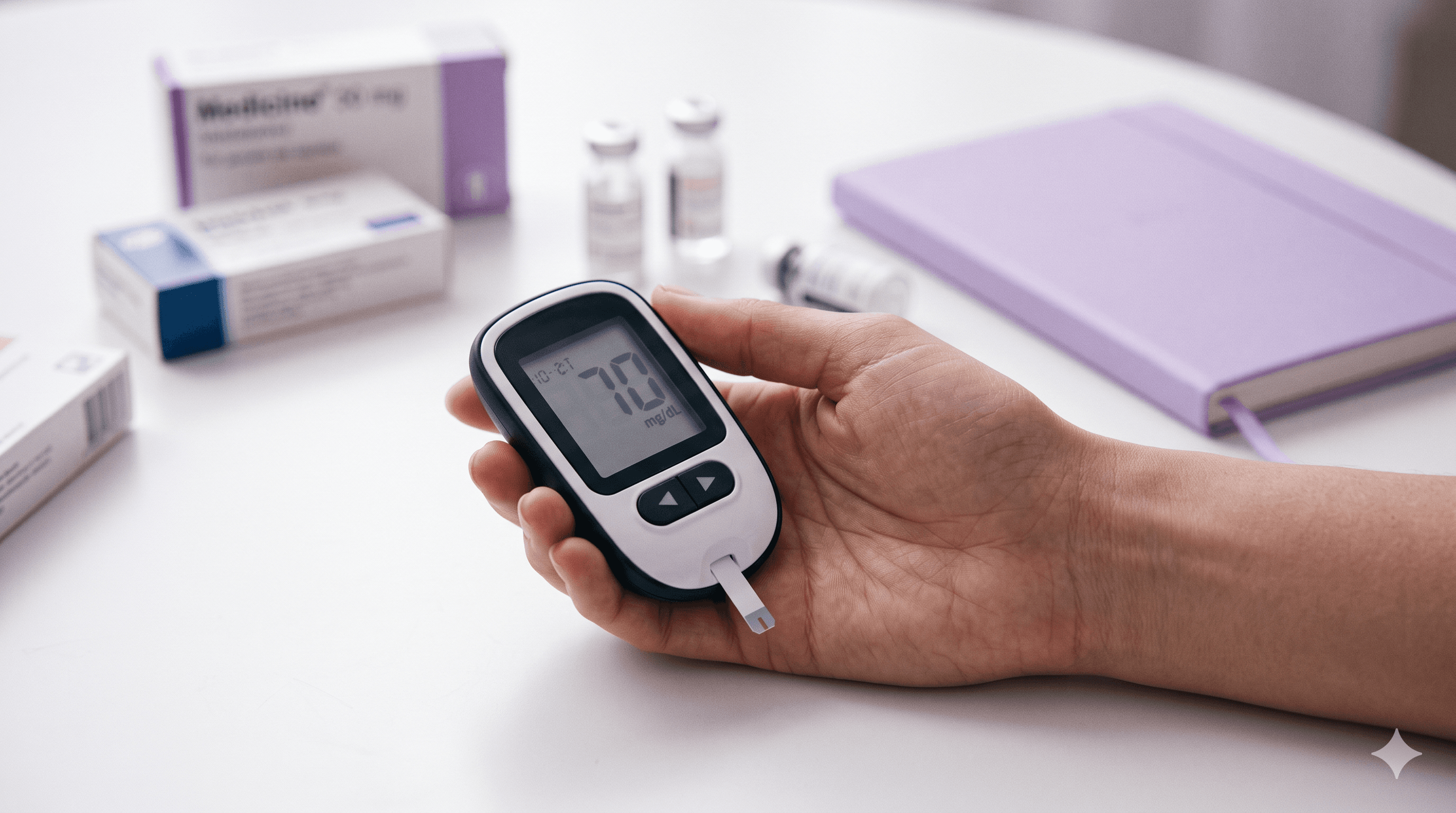
Insulin Resistance in PMOS
How insulin affects your PMOS hormones and what you can do about it.