Fatigue & bloating in PMOS
Unpacking the gut-endocrine axis, mitochondrial energy failure, chronic systemic inflammation, and fluid dynamics.

At a Glance: Quick Summary & Key Takeaways
Chronic unrefreshing fatigue and persistent abdominal bloating in PMOS are not caused by lack of willpower; they stem from cellular glucose starvation, altered gut microbiome diversity, and elevated circulating cytokines.
- Cellular energy deficit: Insulin resistance prevents glucose from efficiently entering myocytes and neurons, creating physical fatigue despite normal food intake.
- High prevalence of sleep fragmentation: Up to 50% of women with metabolic ovarian profiles experience subclinical obstructive sleep apnea or altered melatonin rhythms.
- Gut dysbiosis: Lower bacterial alpha-diversity increases intestinal permeability, releasing lipopolysaccharides (LPS) that trigger abdominal distension and fluid retention.
- Meal sequencing and mineral balance (magnesium, sodium, potassium) significantly ease both digestive distress and daytime lethargy.
Why You Feel Exhausted Despite Getting 8 Hours of Sleep
Patients frequently describe PMOS fatigue as a profound cellular exhaustion that sleep does not resolve. To understand why, we have to look inside the mitochondria.
When muscle cells are resistant to insulin, glucose remains trapped in the bloodstream instead of passing through GLUT4 transport channels into cells. The mitochondria—the energy factories of your cells—are deprived of primary fuel, leaving you physically lethargic.
Simultaneously, frequent blood sugar spikes and reactive plunges disrupt neurotransmitter synthesis. Dopamine and serotonin pathways fluctuate, impairing daytime focus, motivation, and physical stamina.
The Gut-Hormone Connection Behind Abdominal Bloating
Bloating in PMOS is rarely simple gas; it is often driven by low-grade endotoxemia. Clinical studies show that women with PMOS have significantly lower biodiversity in their gut microbiota.
Reduced microbial diversity weakens the intestinal epithelial barrier, allowing bacterial endotoxins called Lipopolysaccharides (LPS) to leak into mesenteric circulation. The immune system reacts by releasing inflammatory cytokines (TNF-alpha and IL-6), causing local visceral edema, delayed gastric emptying, and uncomfortable abdominal distension.
The Power of Meal Sequencing
Eat fiber and non-starchy vegetables first, proteins and healthy fats second, and complex carbohydrates last. This simple habit slows gastric emptying, reduces glucose spikes by up to 35%, and noticeably minimizes post-meal bloating.
Clinical Protocol: Recommended vs. What to Avoid
- Practice meal sequencing to stabilize gastric transit and blunt postprandial glucose swings.
- Incorporate prebiotic fiber foods (cooked and cooled potatoes, oats, asparagus, flaxseed) to feed beneficial gut flora.
- Check serum ferritin, vitamin D, and morning thyroid panel to rule out concurrent nutritional deficiencies.
- Don't rely heavily on caffeinated energy drinks, which stimulate adrenal cortisol and worsen gut inflammation.
- Don't wear constricting waistbands during meals, which impedes normal lymphatic and digestive motility.
When to Consult a Physician or Specialist
While lifestyle and nutritional adjustments are powerful, seek immediate professional medical attention if:
- Your fatigue is accompanied by heavy snoring, morning headaches, or waking up gasping for air (possible sleep apnea).
- Abdominal bloating is constant, severe, accompanied by unintentional weight loss, or does not flatten overnight.
Frequently Asked Questions
If you ovulate irregularly or have an extended follicular phase, unopposed estrogen causes the kidneys to retain sodium and water. When progesterone finally rises or when estrogen drops abruptly, fluid shifts occur, creating noticeable cyclical water retention.
Scientific References & Clinical Guidelines
- Lindheim, L., et al. (2017). Alterations in gut microbiome composition and barrier function are associated with polycystic ovary syndrome. The Journal of Clinical Endocrinology & Metabolism, 102(8), 2757-2766.
- Vgontzas, A. N., et al. (2001). Sleep apnea and sleepiness in polycystic ovary syndrome: relationship to obesity and insulin resistance. The Journal of Clinical Endocrinology & Metabolism, 86(2), 517-520.
Need direct guidance for your cycle & symptoms?
Our multidisciplinary clinical care team of reproductive endocrinologists, gynecologists, and clinical dietitians builds a tailored metabolic protocol just for you.
Related Evidence-Based Articles

Early signs of PMOS you shouldn’t ignore
Irregular periods, acne and fatigue: the symptoms that often show up first.

Irregular periods, explained
Why your cycle changes and when it is time to speak to a doctor.
Insulin Resistance in PMOS
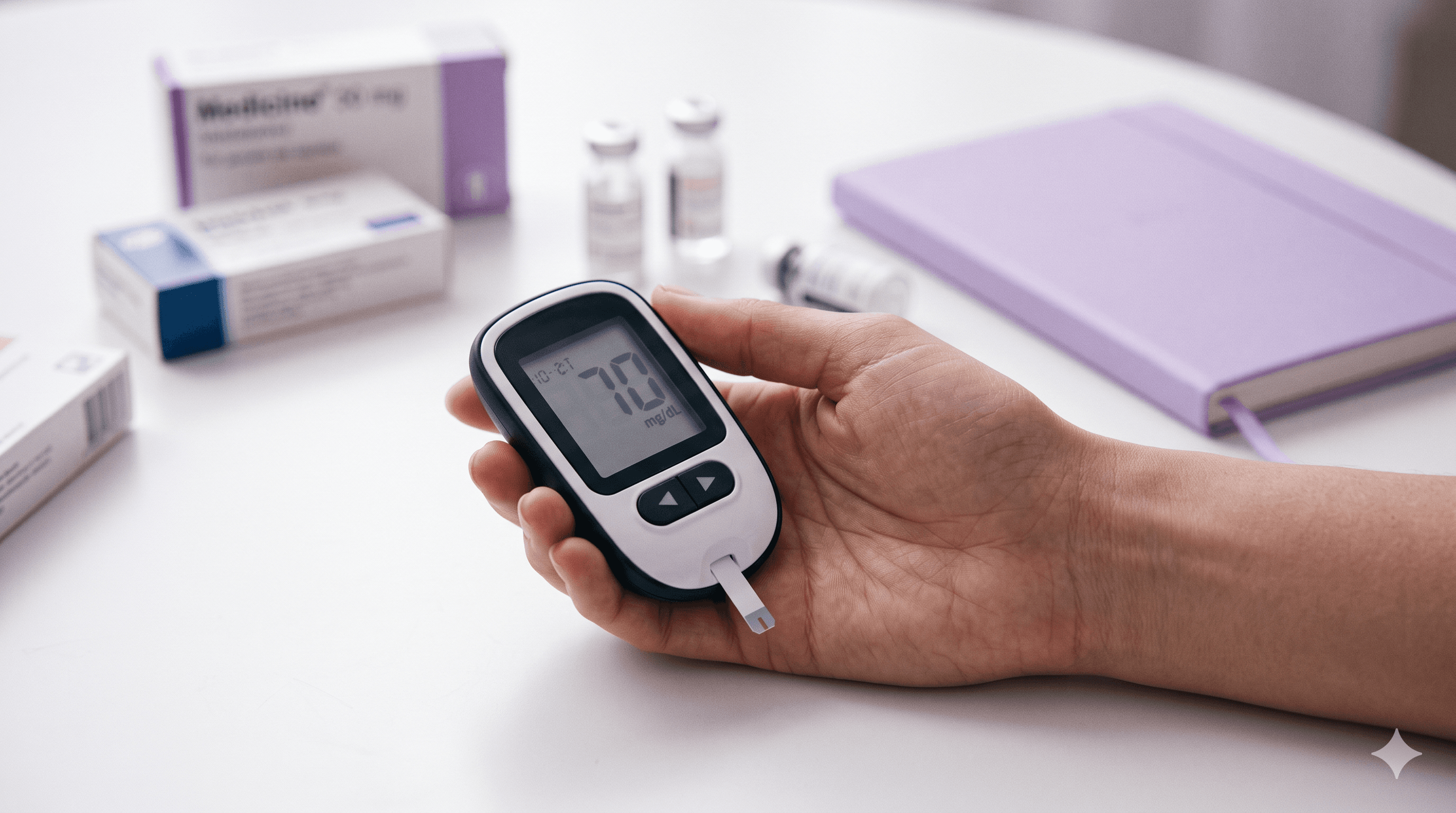
How insulin affects your PMOS hormones and what you can do about it.
Anti-inflammatory foods to try
Simple additions to your plate that may help calm inflammation.