Early signs of PMOS you shouldn’t ignore
How to identify subtle metabolic, dermatological, and cycle-related warning signs before major systemic imbalances develop.

At a Glance: Quick Summary & Key Takeaways
Early detection of PMOS provides a critical window to prevent progression to severe metabolic dysregulation, secondary amenorrhea, or cardiovascular risk factors.
- The earliest clinical manifestation is often subtle lengthening of cycle duration (from 28 to 36–45 days).
- Hormonal acne clustering around the mandibular border, chin, and neck is driven by 5-alpha reductase activity.
- Post-meal lethargy and intense carbohydrate cravings signal impaired glucose disposal and reactive hyperinsulinemia.
- Acanthosis nigricans (velvety hyperpigmentation in skin folds) is a direct dermatological sign of elevated circulating insulin.
1. Progressive Lengthening of the Menstrual Cycle
Your menstrual cycle is considered the fifth vital sign in women's health. Subtle shifts in its rhythm are frequently the first indicator that ovarian follicular recruitment is encountering endocrine resistance.
A healthy ovulatory cycle typically ranges between 24 and 35 days in adult women. When follicular development is slowed by high local androgen concentrations and altered LH pulsatility, ovulation is delayed.
Many women notice their cycles gradually drifting from 28 days to 35, 42, or 50 days, often accompanied by unpredictable flow volume—scant spotting one month followed by prolonged heavy bleeding the next.
2. Mandibular Acne & Texture Changes
Unlike teenage comedonal acne that appears across the forehead and T-zone, early PMOS acne has a distinct hormonal signature: deep, painful, cystic lesions that cluster along the jawline, chin, and upper neck.
These breakouts occur because high circulating insulin and local dihydrotestosterone (DHT) upregulate sebaceous gland lipid production and hyperkeratinization of follicular infundibula, trapping bacteria beneath the skin surface.
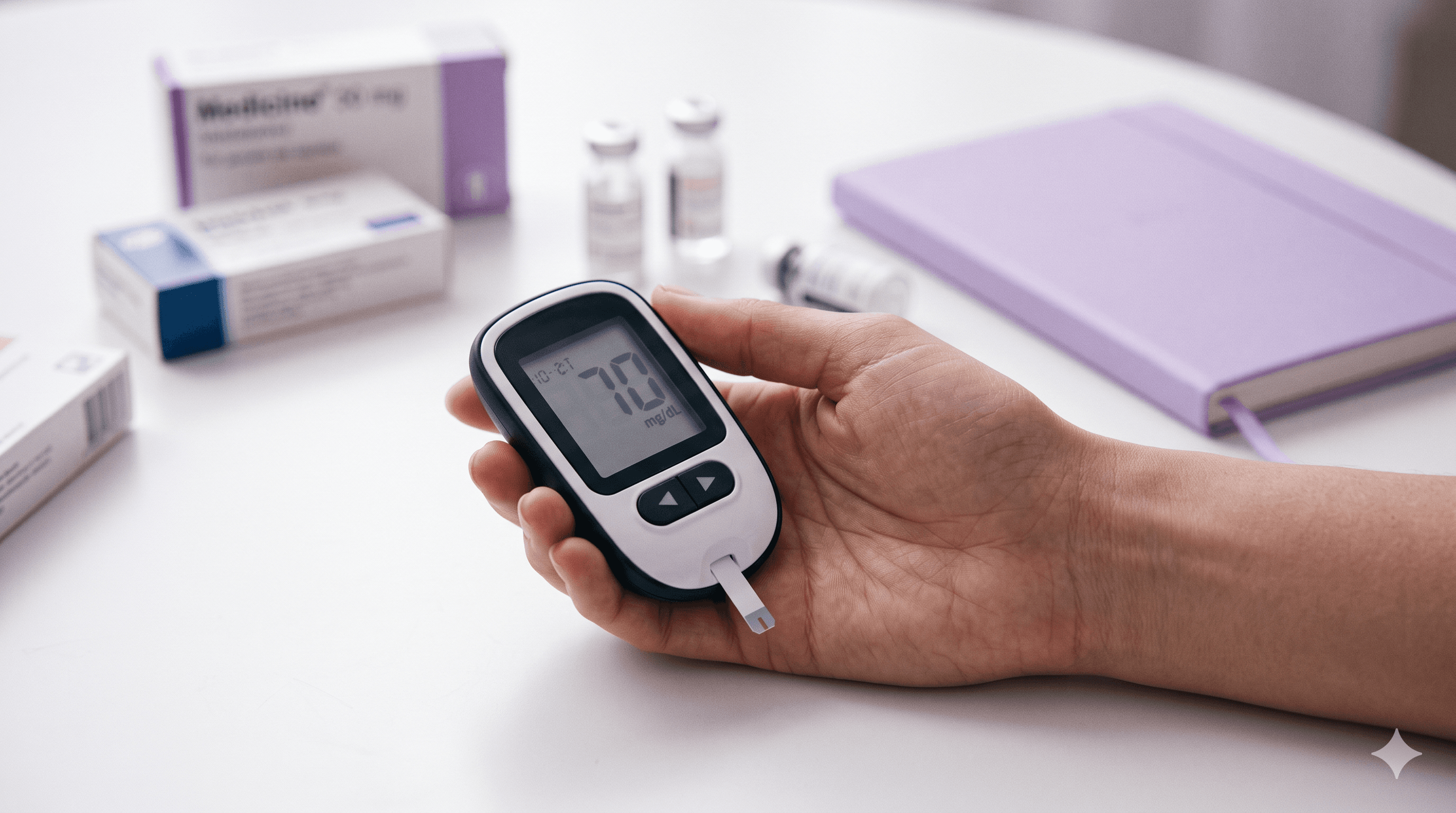
3. The 'Afternoon Crash' and Reactive Hypoglycemia
Do you experience sudden, overwhelming exhaustion 60 to 90 minutes after eating a meal containing carbohydrates, accompanied by irritability, brain fog, or tremors?
This phenomenon—reactive hypoglycemia—occurs when insulin-resistant cells fail to respond to normal insulin levels, prompting the pancreas to over-secrete insulin. This massive surge causes blood glucose to plummet below baseline, leaving you drained and craving immediate sugar.
Recognizing Acanthosis Nigricans
Check the back of your neck, axillae (armpits), and groin for velvety, darkened patches of skin that cannot be scrubbed off. This is a direct physical manifestation of hyperinsulinemia stimulating dermal keratinocyte proliferation.
Clinical Protocol: Recommended vs. What to Avoid
- Track your exact cycle start dates, flow intensity, and cervical fluid changes in a symptom log.
- Notice physical cues after meals: note which foods trigger rapid fatigue or sudden sugar cravings.
- Seek an endocrine evaluation early rather than waiting for symptoms to worsen.
- Don't dismiss persistent jawline acne as purely an external cosmetic issue.
- Don't ignore cycles that consistently exceed 35 days, even if they are painless.
When to Consult a Physician or Specialist
While lifestyle and nutritional adjustments are powerful, seek immediate professional medical attention if:
- Your menstrual period has been absent for more than 60 days.
- You notice new coarse terminal hair growth on your chin, upper lip, or lower abdomen.
- You experience severe post-meal dizziness or trembling that resolves only after consuming sugar.
Frequently Asked Questions
Yes. While the genetic predisposition is present from birth, PMOS often remains subclinical until triggered by prolonged psychological stress, significant metabolic shifts, sedentary lifestyles, or discontinuation of hormonal birth control.
Scientific References & Clinical Guidelines
- Carmina, E., et al. (2006). Diagnosis, phenotype, and prevalence of polycystic ovary syndrome. Fertility and Sterility, 86(1), S7-S8.
- Dumesic, D. A., et al. (2015). Scientific statement on the diagnostic criteria, epidemiology, pathophysiology, and molecular genetics of polycystic ovary syndrome. Endocrine Reviews, 36(5), 487-525.
Need direct guidance for your cycle & symptoms?
Our multidisciplinary clinical care team of reproductive endocrinologists, gynecologists, and clinical dietitians builds a tailored metabolic protocol just for you.
Related Evidence-Based Articles

Irregular periods, explained
Why your cycle changes and when it is time to speak to a doctor.

Fatigue & bloating in PMOS
What causes constant tiredness and bloating, and small ways to ease both.
What is PMOS? Everything you should know
Understand PMOS, its symptoms, causes and biological drivers.
Insulin Resistance in PMOS
How insulin affects your PMOS hormones and what you can do about it.