Fertility-friendly nutrition
Evidence from the Harvard Nurses' Health Study on full-fat dairy, vegetable proteins, methylfolate, CoQ10, and oocyte vitality.
At a Glance: Quick Summary & Key Takeaways
Nutrition directly shapes the follicular fluid microenvironment surrounding every developing oocyte. Learn which dietary patterns and clinical micronutrients significantly lower ovulatory infertility risks.
- The Harvard Nurses' Health Study showed that women following a 'Fertility Diet' had a 66% lower risk of ovulatory infertility.
- Replacing one serving of animal protein daily with vegetable protein (beans, lentils, nuts) significantly reduces anovulation risk.
- Consuming 1–2 servings of organic full-fat dairy was associated with lower ovulatory disorder rates compared to low-fat/skim dairy.
- Ubiquinol (active CoQ10) supports mitochondrial ATP synthesis required for chromosomal segregation during meiosis.
Key Lessons from the Harvard Nurses' Health Study
In one of the most comprehensive dietary studies ever conducted on fertility, researchers followed over 18,000 women over 8 years to examine dietary factors linked to ovulatory disorders.
The findings revealed that the highest-fertility dietary pattern was characterized by:
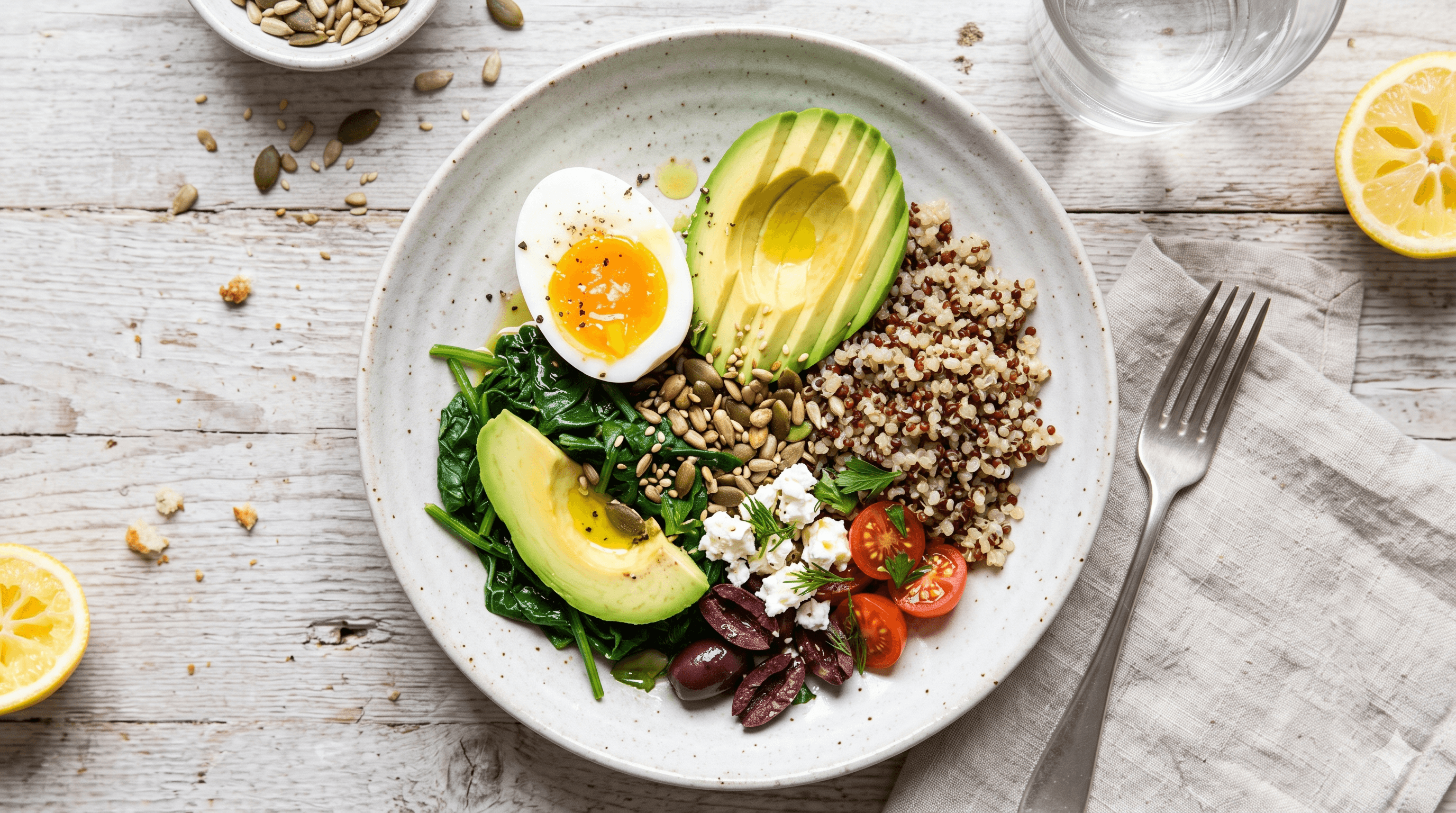
• Monounsaturated over Trans Fats: Replacing industrial fats with extra virgin olive oil and avocados. • Plant-Based Proteins: Substituting legumes, seeds, and nuts for processed red meats. • Low-Glycemic Complex Carbs: Minimizing refined white flours that drive hyperinsulinemia. • Full-Fat Dairy over Skim: Interestingly, low-fat and skim dairy were associated with higher ovulatory infertility rates, whereas moderate full-fat dairy consumption was protective, likely because fat-soluble reproductive steroids are removed during skimming processes.
Fueling the Egg: CoQ10 & Mitochondrial Energy
A human egg cell contains roughly 200,000 to 500,000 mitochondria—far more than almost any other cell in the body. When an egg undergoes meiosis and prepares for fertilization, massive amounts of ATP energy are required to align and separate chromosomes accurately.
As women age or experience oxidative stress from PMOS, mitochondrial energy output declines. Supplementing with Ubiquinol (200–400 mg daily) replenishes mitochondrial co-factor pools, supporting chromosomal integrity and embryo developmental competence.
Clinical Protocol: Recommended vs. What to Avoid
- Switch from synthetic folic acid to L-Methylfolate (5-MTHF) to ensure optimal bioavailability regardless of MTHFR gene variants.
- Incorporate choline-rich foods (egg yolks, liver, sunflower lecithin) to support fetal brain and placental vascular development.
- Eat wild-caught cold-water fish 2 times weekly for omega-3 EPA/DHA fatty acids.
- Don't consume alcohol when actively attempting conception during the fertile window.
- Don't restrict healthy dietary fats; cholesterol is the mandatory building block of all sex hormones.
When to Consult a Physician or Specialist
While lifestyle and nutritional adjustments are powerful, seek immediate professional medical attention if:
- You have dietary restrictions (vegan, celiac) and need tailored pre-conception micronutrient blood testing (ferritin, B12, vitamin D).
Frequently Asked Questions
ACOG and reproductive medicine guidelines state that moderate caffeine intake (under 200 mg daily—about one 12 oz cup of drip coffee) does not appear to negatively impact fertility or miscarriage rates. However, sticking to 1 cup or switching to matcha/green tea is ideal.
Scientific References & Clinical Guidelines
- Chavarro, J. E., et al. (2007). Diet and lifestyle in the prevention of ovulatory disorder infertility. Obstetrics & Gynecology, 110(5), 1050-1058.
- Ben-Meir, A., et al. (2015). Coenzyme Q10 restores oocyte mitochondrial function and fertility during reproductive aging. Aging Cell, 14(5), 887-895.
Need direct guidance for your cycle & symptoms?
Our multidisciplinary clinical care team of reproductive endocrinologists, gynecologists, and clinical dietitians builds a tailored metabolic protocol just for you.
Related Evidence-Based Articles

Getting pregnant with PMOS
What to know about ovulation, timing and your chances of conceiving.

Ovulation tracking, step by step
Ways to find your fertile window even with irregular cycles.
Best Foods for Hormone Balance
Eat right to balance your hormones and improve symptoms naturally.
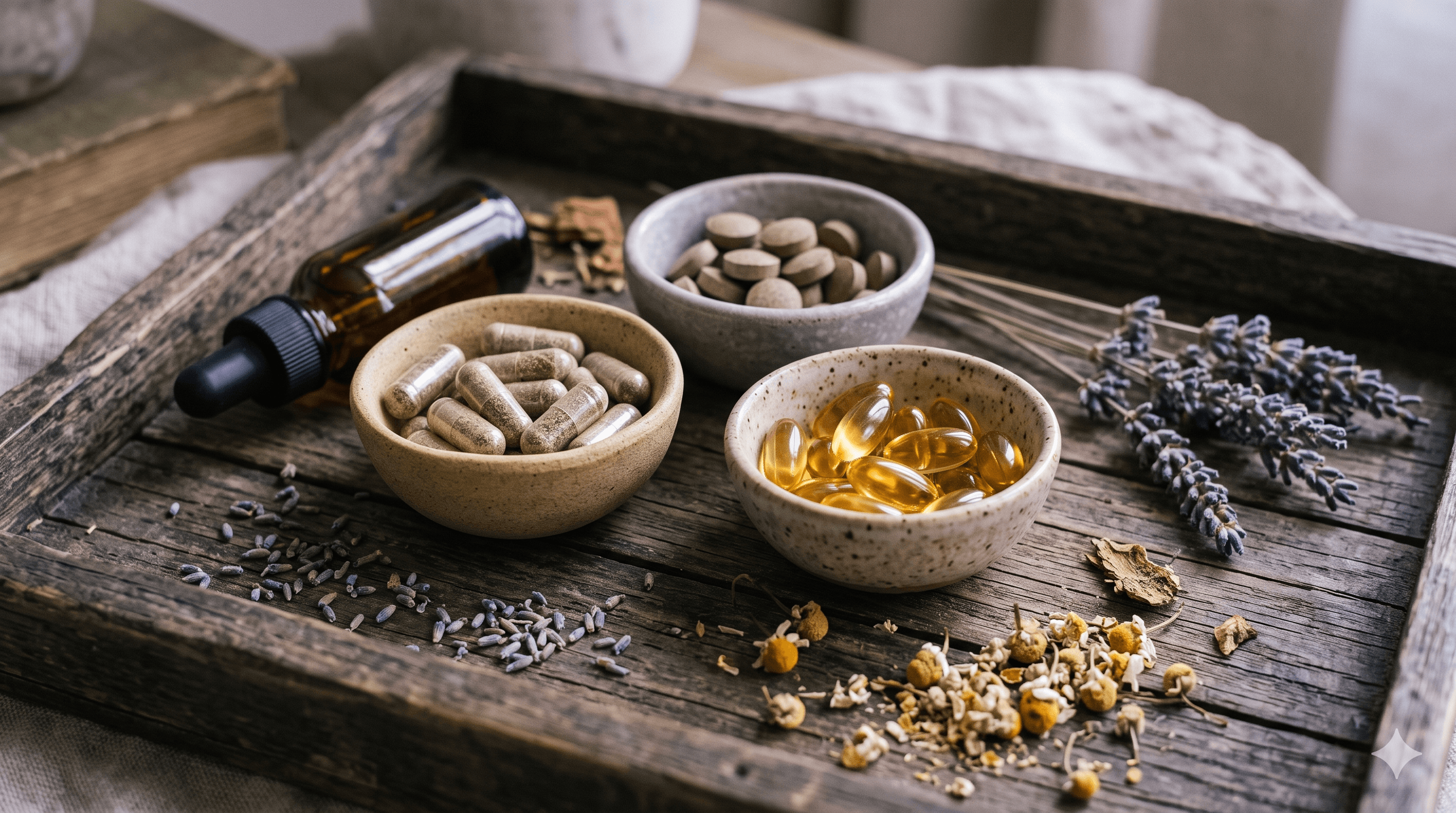
Supplements that actually help
Inositol, vitamin D and more: what the research really says.