Building a hormone-friendly morning
The science of the Cortisol Awakening Response, light exposure, protein-forward hydration, and caffeine timing.

At a Glance: Quick Summary & Key Takeaways
How you spend the first 60 minutes of your morning sets your hormonal rhythm, blood sugar trajectory, and stress threshold for the next 24 hours. Learn an evidence-based morning sequence.
- Drinking coffee on an empty stomach triggers a spike in stomach acid and cortisol, leading to jittery adrenaline surges.
- Hydrate first: 500 mL of water with a pinch of unrefined sea salt or electrolytes rehydrates cells and supports blood pressure.
- View natural sunlight within 30 minutes of waking to anchor the circadian clock and suppress melatonin.
- Eat a 30g protein breakfast within 60 to 90 minutes of waking to stabilize your daily glucose curve.
The 4-Step Hormone-Friendly Morning Sequence
You don't need a complicated 2-hour morning routine. These four simple physiological habits take 20 minutes total and create profound endocrine stability.
Step 1: Mineral Hydration (Minute 0–5)
Drink 16–20 oz of room temperature water with a squeeze of fresh lemon and a tiny pinch of sea salt. Overnight cellular respiration depletes electrolytes.
Step 2: Natural Outdoor Light (Minute 5–15)
Step outside on your balcony or patio for 10 minutes without sunglasses. Photons hit retinal ganglion cells, signaling the suprachiasmatic nucleus to set your circadian timer.
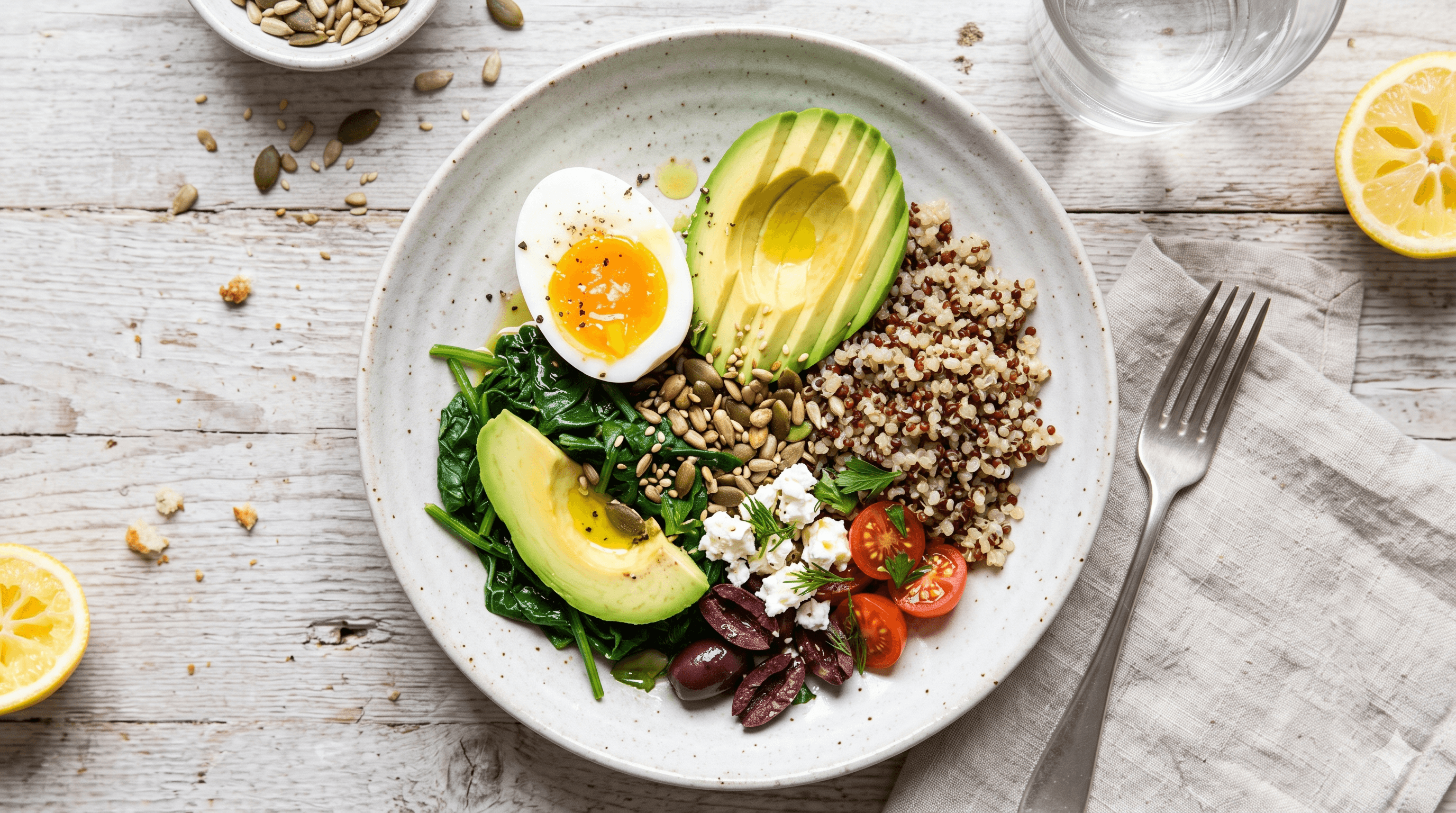
Step 3: Savory 30g Protein Breakfast (Minute 20–45)
Eggs, smoked salmon, tofu scramble, or a clean protein smoothie. Protein triggers satiety hormones and prevents mid-morning cravings.
Step 4: Mindful Caffeine (After Breakfast)
Enjoy your morning coffee or matcha after your food is in your stomach. This buffers the cortisol spike and prevents digestive acidity.
Clinical Protocol: Recommended vs. What to Avoid
- Drink your coffee after or alongside your breakfast, never on an empty stomach.
- Get natural light even on cloudy days (outdoor lux is still 10x to 50x brighter than indoor light).
- Don't immediately check email, Slack, or social media while still lying in bed; this floods your brain with dopamine and stress cortisol.
When to Consult a Physician or Specialist
While lifestyle and nutritional adjustments are powerful, seek immediate professional medical attention if:
- You wake up every morning feeling physically exhausted, nauseous, or experiencing extreme heart palpitations.
Frequently Asked Questions
Waking with zero appetite is often a sign of elevated morning cortisol or sluggish liver bile flow from a late dinner the night before. Start small: a warm cup of bone broth, a boiled egg, or half a protein smoothie to gently kickstart digestive metabolism.
Scientific References & Clinical Guidelines
- Huberman, A. (2021). Using light to optimize health, sleep and performance. Huberman Lab Podcast Summary & References.
Need direct guidance for your cycle & symptoms?
Our multidisciplinary clinical care team of reproductive endocrinologists, gynecologists, and clinical dietitians builds a tailored metabolic protocol just for you.
Related Evidence-Based Articles
Better sleep habits that work
Small evening changes that improve sleep and balance your mood.

Managing stress with PMOS
How stress impacts your hormones and simple ways to manage it every day.
Best Foods for Hormone Balance
Eat right to balance your hormones and improve symptoms naturally.
Meal prep for busy weeks
Save time and stay consistent with simple batch-cooking tips.